
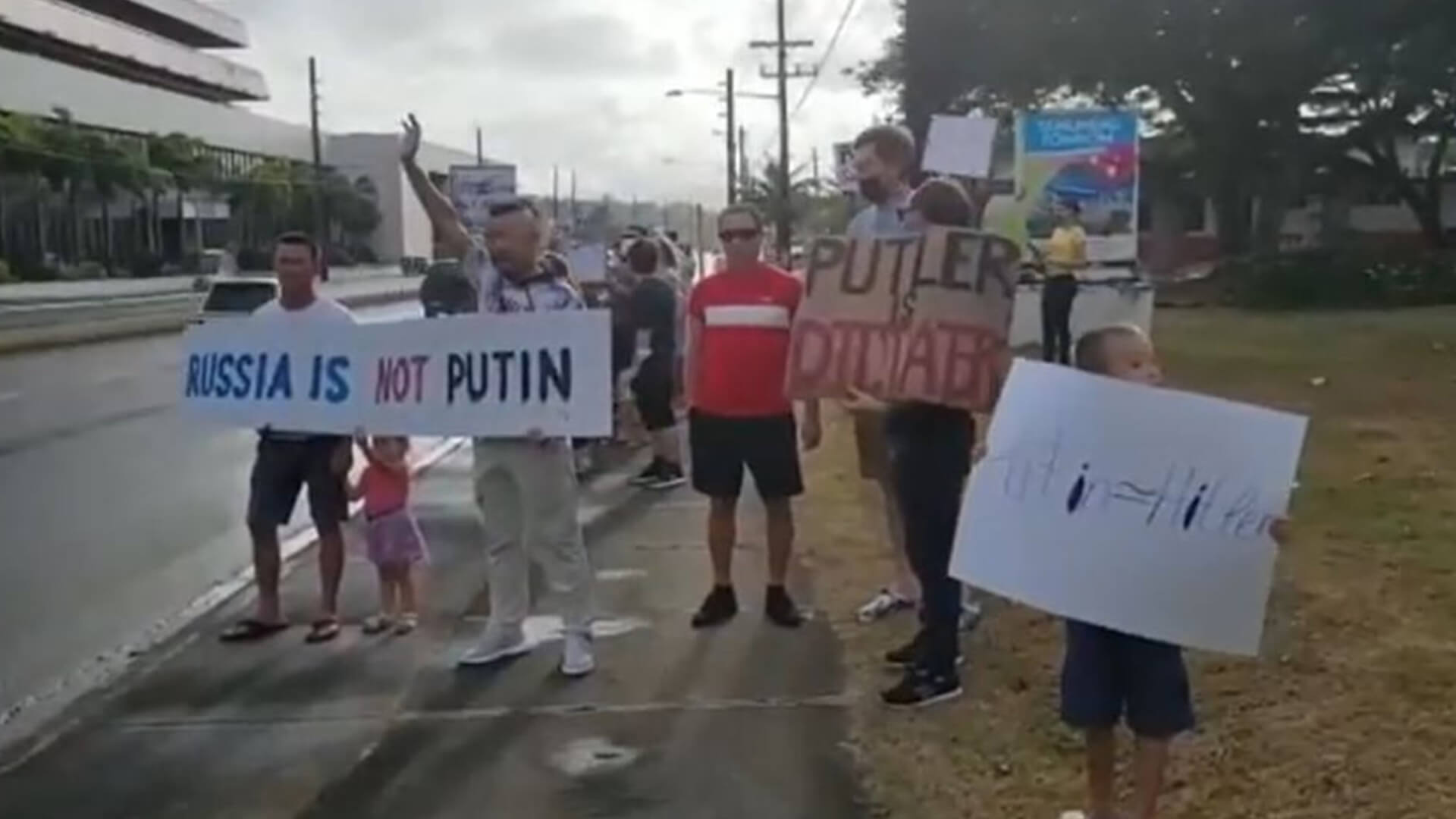
In a tiny inconspicuous island in Micronesia called Guam, you will find a small community of Russian asylum seekers (RAS) almost 4,000 miles away from their home. They have come here for a number of reasons, the main ones being religious, sexual, and political persecution under Vladimir Putin’s presidency. Attracted by Guam’s visa-waiver programs and tourist escapades, these people have found a temporary place to land their feet while waiting to enter the U.S. mainland – AKA their final destination where they would be safe and sound from danger.
However, some would later find out that they would be stuck on Guam for an indefinite amount of time, much to their dismay.
Native Guamanians, or ethnic CHamorus, have shared a long history with Russians. During the Cold War, Guam welcomed tourists from many different places as a source of commerce. Its visa laws are not as strict as the ones in mainland USA, as demonstrated by its visa waiver program, and attracted large swaths of Chinese and Russian tourist groups. Yet, upon their arrival, Russian asylum seekers discovered that the path to the mainland would not be as easy as they thought.
Guam is not particularly high on the list of priorities for U.S. government officials, nor are the RAS who desperately seek entry through America’s borders. Therefore, the process of gaining entry is incredibly difficult. Some have been waiting years to get visas that they were promised ages ago. Stranded with nowhere else to go, these people have found it incredibly hard to adjust to the new situations that had been forced onto them. Challenges such as language barriers, unfamiliarity with Guam’s culture, and ethnic tensions with locals narrow down the number of opportunities available to RAS. When compounded together, these factors make unemployment and houselessness prevalent in their small enclave.
The local government has also been put in a tough spot – experiencing the double burden of being asked to adequately provide for RAS while simultaneously being abandoned by the US government that put them in that situation in the first place.
Ever since the Russo-Ukrainian War began, protests have erupted across the globe to express dissent against the U.S. and Russian imperialist powers that are driving the war. And Guam was no different. Despite being small in numbers, Russian asylum seekers united to line the streets with their protest signs and tell a clear message to the general public: NO WAR. News reporters even arrived at the scene to talk to some of the individuals present. Overall, the protestors disapproved of President Putin’s choice to invade Ukraine. The plight of the Ukrainian and Russian people who did not approve of the war yet faced consequences of it resonated deeply in their hearts.
Has the protest changed the stagnant situation of the RAS? It’s hard to say.
There has been a growing anti-imperialist and anti-war movement in Guam, in response to talks about a potentially new US military base being built on the land. The struggles of the CHamoru and the RAS are actually very similar in nature, as both peoples are struggling for sovereignty from the US government that is actively hampering it. One could hope that the protest stirred the hearts of local residents, to see how their struggles are inextricably tied to those of the RAS’.
