
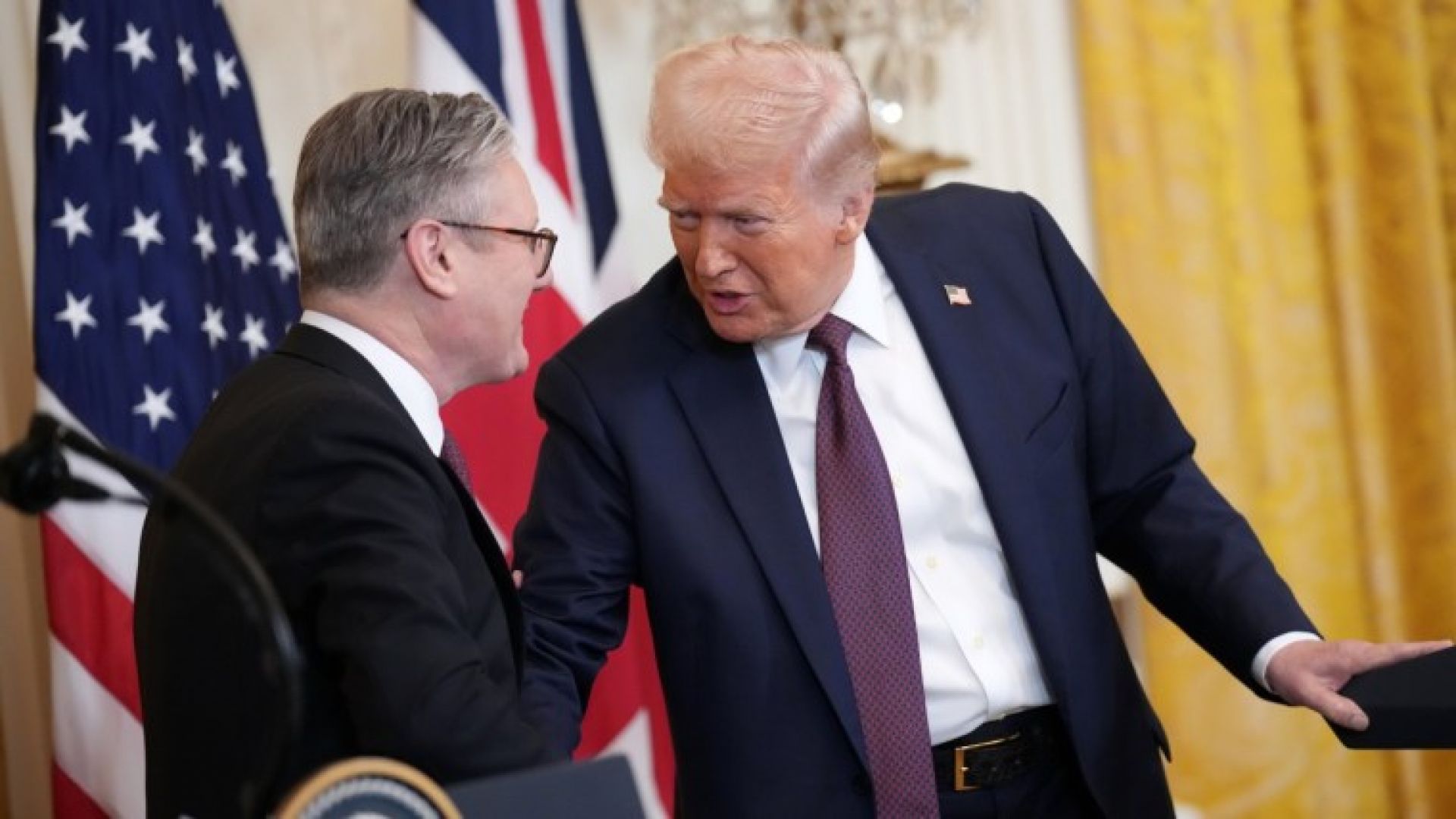
President Donald Trump announced a limited trade agreement with the United Kingdom, marking his first formal pact since unveiling sweeping global tariffs. The deal reduces U.S. duties on U.K. car imports from 27.5% to 10% and removes tariffs on British steel. In exchange, the U.K. will ease restrictions on U.S. beef and ethanol. Prime Minister Keir Starmer and Trump approved the agreement following weeks of behind-the-scenes negotiations.
Though the White House is presenting the deal as a breakthrough, analysts describe it as narrow in scope with limited economic impact. JPMorgan called the agreement largely symbolic, noting it may offer minimal relief for U.K. industries affected by tariffs. The announcement, however, aligns with Trump’s claims that nations are eager to negotiate with the U.S. to avoid punitive levies.
Despite the celebratory tone, Trump has offered mixed signals about the necessity of trade deals, at times claiming hundreds were in progress and, at others, dismissing their importance entirely. His unpredictable tariff strategy has created a climate of economic uncertainty, drawing criticism from global trading partners and U.S. businesses alike. Federal Reserve Chair Jerome Powell highlighted this volatility, warning that the scope and impact of Trump’s tariffs remain unclear and are weighing on economic expectations.
While the agreement with the U.K. may soothe some political and market concerns, major trading partners like China remain at odds with the U.S., with no negotiations yet underway. The broader tariff program, which includes a 30
