
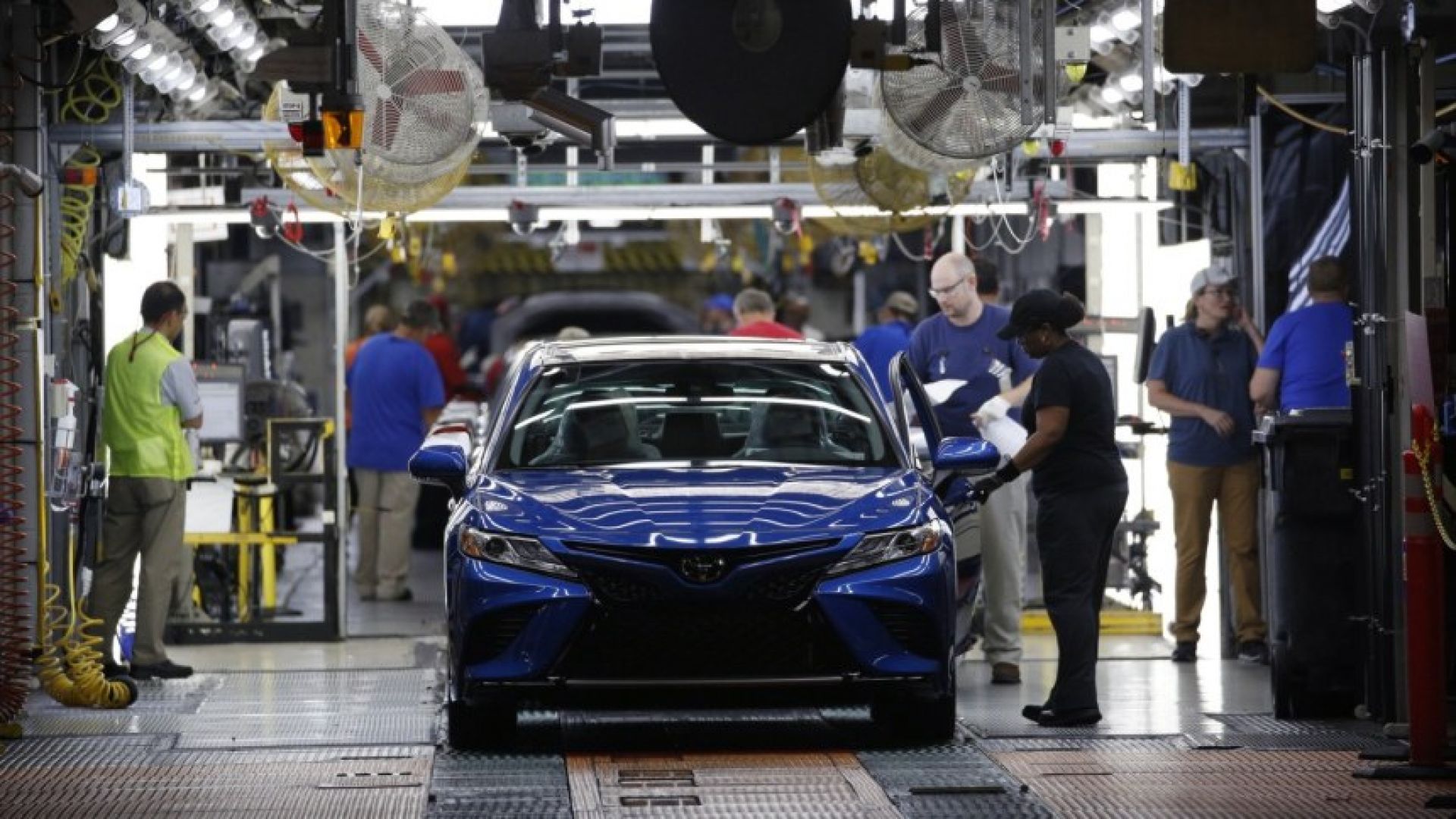
Consumers are rushing to buy cars ahead of steep price hikes expected from the Trump administration’s newly announced 25% tariffs on all imported vehicles and auto parts. The tariffs, which begin Thursday, are already driving a surge in first-quarter U.S. auto sales, especially for brands like GM and Hyundai. Some shoppers cited fear of future cost increases as motivation to buy now.
The tariffs could significantly raise prices across the board: Goldman Sachs estimates foreign-made cars could go up by as much as $15,000, and even U.S.-assembled cars could cost $8,000 more due to their global parts. Analysts warn this could reverse recent sales momentum, with potential ripple effects on used car prices as well.
Automakers like Hyundai have alerted dealers to possible price changes, while others, like Honda, haven’t yet provided formal guidance. Dealers, facing uncertainty, are bracing for immediate inventory changes and price fluctuations. President Trump defended the move as a trade equalizer and dismissed concerns about price hikes. Still, industry analysts, automakers, and consumers alike are navigating a fast-changing landscape with broad economic implications.
