
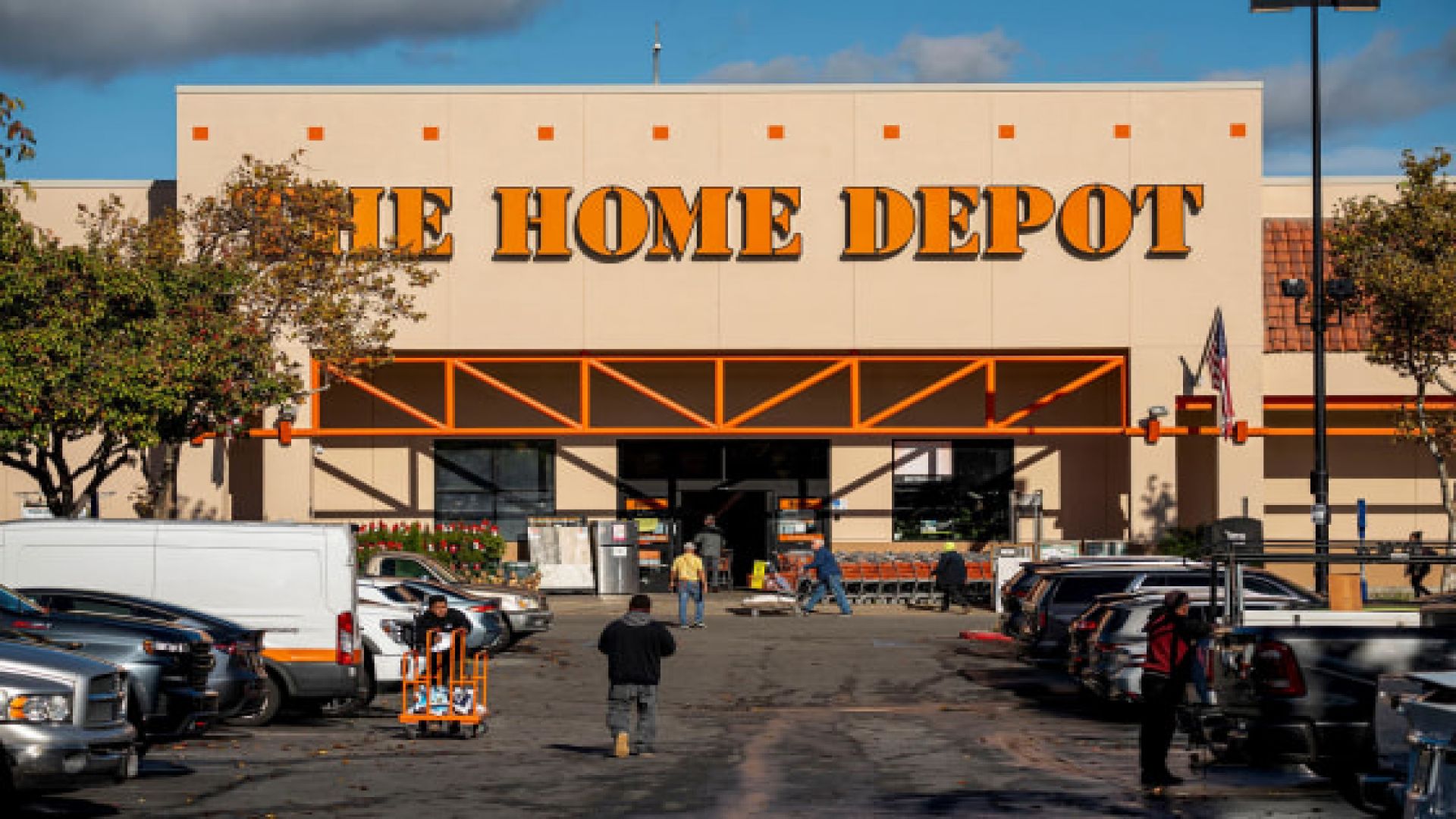
Home Depot reaffirmed its full-year sales forecast on Tuesday, with CFO Richard McPhail assuring CNBC that the company does not plan to raise prices in response to tariffs. He cited Home Depot’s scale, strong supplier partnerships, and ongoing productivity improvements as key factors enabling the retailer to maintain current pricing levels across its product range. Over half of Home Depot’s merchandise originates domestically, and the company has diversified its imports, reducing reliance on China. By next year, no single foreign country is expected to account for more than 10% of purchases.
This pricing approach contrasts with Walmart’s recent announcement that it may raise prices to offset tariff-related cost increases. Despite a sluggish housing market dampening sales growth, Home Depot believes holding prices steady could help it gain market share, benefiting both the retailer and its suppliers.
For the fiscal first quarter ending May 4, Home Depot missed earnings expectations—the first time since May 2020—though it beat sales estimates. CEO Ted Decker highlighted that persistently high interest and mortgage rates, along with economic uncertainty, have restrained consumer spending on major home improvement projects. Customers are focusing on smaller tasks rather than large renovations.
Home Depot projects full-year total sales growth of 2.8% and comparable sales growth of approximately 1%, assuming a U.S. agreement continues to lower tariffs on imports. In the first quarter, net income fell to $3.43 billion, or $3.45 per share, down from $3.60 billion a year earlier.
Spring, typically Home Depot’s peak sales season, saw mixed results. Comparable sales dipped 0.3% overall but rose slightly in the U.S. by 0.2%. Sales improved later in the quarter, recovering from a weak February impacted by poor weather. McPhail reported strong customer engagement in April and early May, suggesting positive momentum moving forward.
