
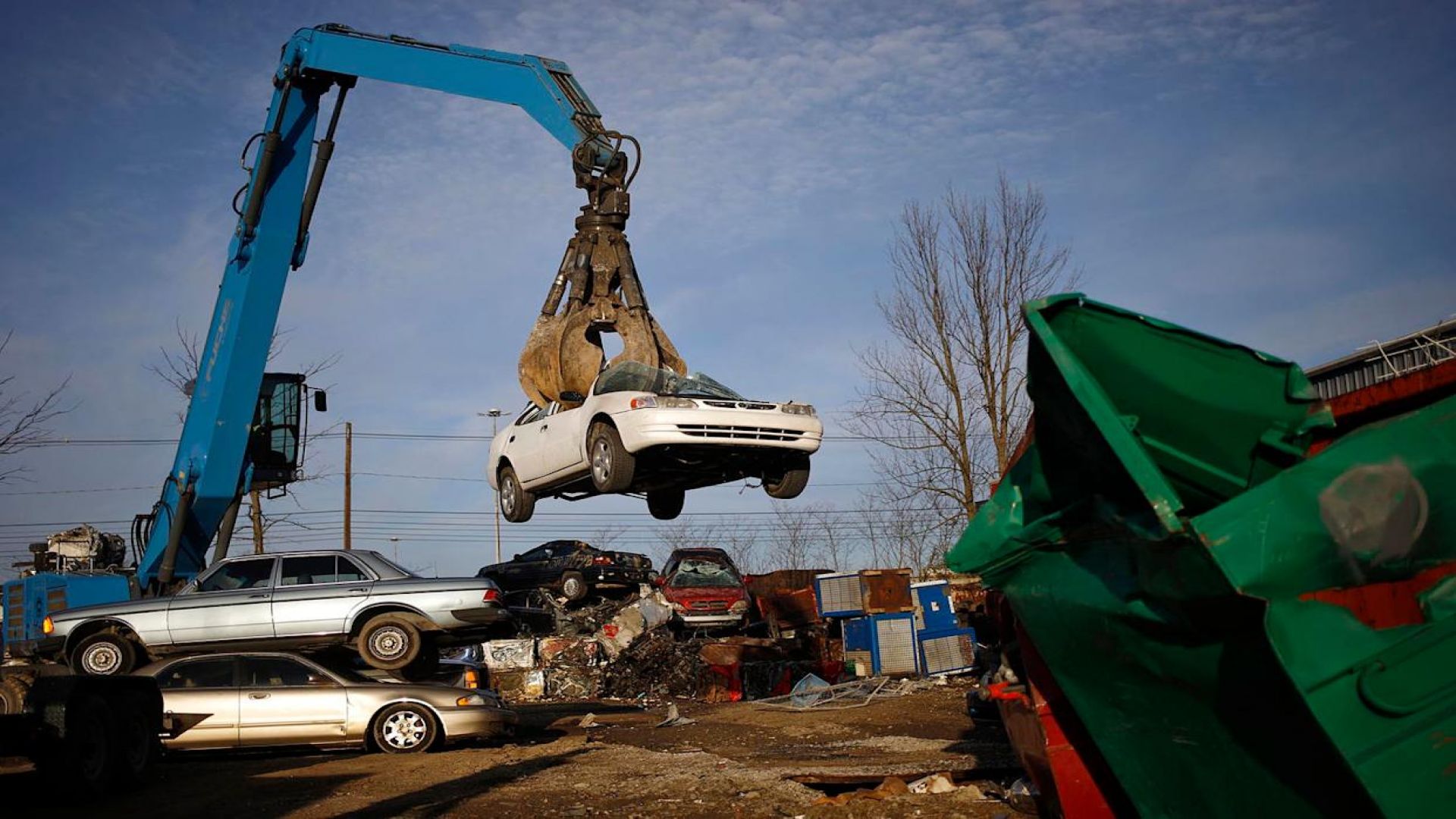
Andrew Lincoln, a recycler from Erie, Pennsylvania, usually teaches students about the familiar “three Rs”: reduce, reuse, and recycle. But lately, global trade tensions have complicated his industry.
In March, President Donald Trump reintroduced 25% tariffs on steel and aluminum imports, a move that has triggered backlash from other countries. Canada and the European Union responded with their own tariffs on U.S. goods, and more are expected. While such measures are intended to boost American industry, they’ve created uncertainty, especially for recyclers who depend on both domestic and international markets.
Tariffs on foreign metals could increase demand for U.S.-sourced materials, which might help recyclers like Lincoln in the short term. However, if other countries strike back by limiting U.S. exports, as they did in 2018, it could hurt long-term business and raise prices across the board. Recyclers exported nearly $27 billion worth of materials in 2023, much of it to Canada and Mexico. If those markets tighten, both businesses and the environment could suffer from unused waste. Industry leaders are asking for a balanced approach. While they support cracking down on unfair trade practices, they caution against punishing allies like Canada, which supplies a large share of U.S. aluminum and steel.
As Lincoln summed it up: while the goal is to strengthen American manufacturing, building the infrastructure to replace imports won’t happen overnight. In the meantime, recyclers are left navigating a volatile market.