
How Chinese and South Korean Student Vloggers to Shape Their Digital Identities
Author: Leyi Wang
September 29, 2026
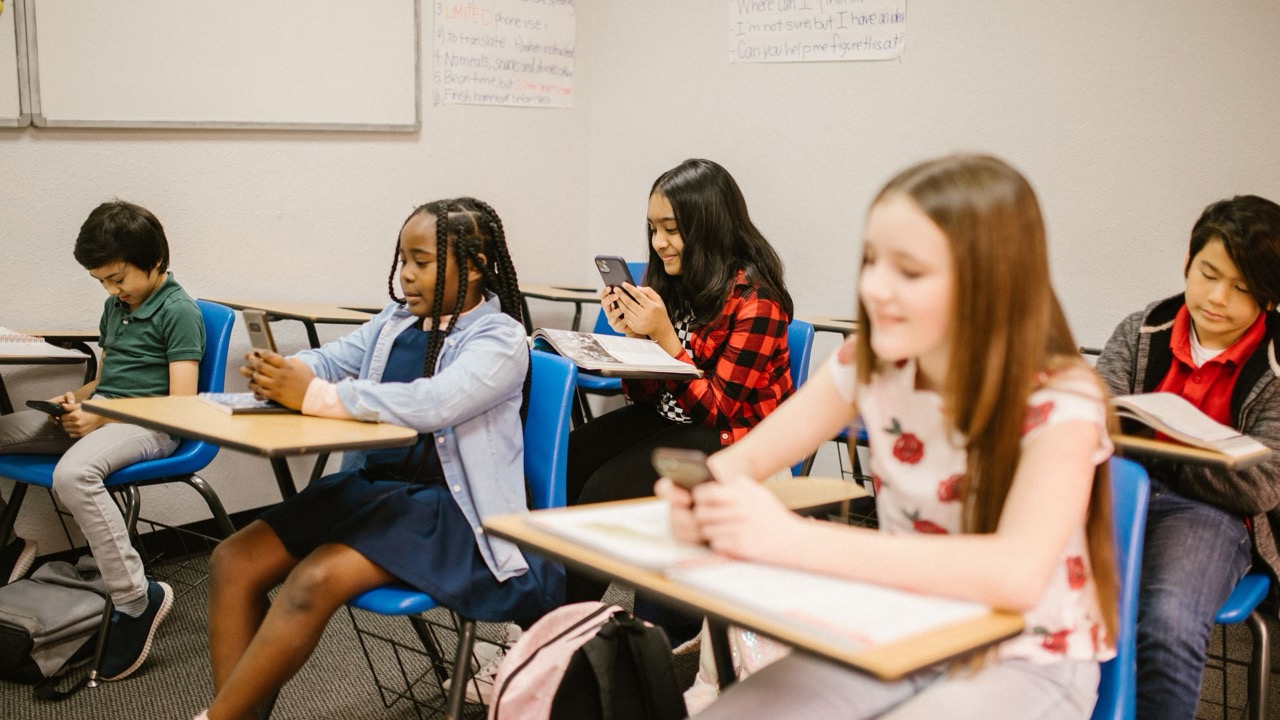
In the digital era, social media offers people a multitude of opportunities to understand culture, identity, and education. Through online platforms such as YouTube and RedNote, students can share vlogs of their daily lives to a global audience, which allows viewers to experience different educational systems in countries they may never experience firsthand. More than just a simple way to document daily life, vlogs are a form of self-expression and identity formation. For example, student vloggers may employ certain storytelling strategies, such as selectively showcasing aspects of their lives—like daily study routines, parties, and fashion—while also concealing the negative emotions behind their experiences. This selective expression produces a digital identity for student vloggers that carefully crafts a sense of everyday life. As a result, these vlogs showcase their concrete experiences and the image they hope others will see of themselves in the digital age.
Two good examples are Chinese international students vloggers who shape their identities about their studying abroad as young Chinese girls and South Korean high school dropouts who challenge perceptions around the taboo of pursuing education outside of formal school settings.
Nowadays, there is growing number of Chinese international student influencers on RedNote who vlog particularly on topics of girlhood, gender, and pressure in modern society. Since academic success is closely linked to personal value and future opportunities in many Chinese families and schools, most students will only share their best qualities with audiences. They will present the “perfect” school life in their vlogs: a clean dorm room, highly productive schedules, and fashionable clothing. Female vloggers are expected to appear beautiful, emotionally calm, and successful in modern society. At the same time, they hide feelings of loneliness, stress, homesickness, and academic anxiety.
Additionally, these Chinese students tend to stay with host families while studying abroad and vlog about living with different cultural backgrounds. Despite “strained United States-China relations,” they still celebrate American holidays while maintaining their cultural identity. Several vloggers are also only children and experience sibling-like interactions for the first time with their host families. For example, when Ginger, an only child, comes to America and stays with her host family, she can live with many siblings and play with them. Since many mainland Chinese students are the only child in their family and yearn for siblings, Ginger uses the vlogs to present her best study life to the audience.
The examples above present how Chinese female international students construct a dual identity online. On the one hand, Chinese female international students strive to project an image of themselves living independently abroad. On the other hand, they maintain close ties with China. Within RedNote communities, they confide in one another about their daily struggles, academic achievements, and challenges experienced in cross-cultural interactions. Therefore, their digital identities cannot be reduced to either “Chinese” or “foreigners.” Instead, their identities embody a more complex hybridity—blending their study abroad experiences with the culture and values of their home country.
This hybrid identity is particularly evident when Chinese international students post about traditional Chinese clothing, such as the Qipao. The Qipao is more than just a dress; it is a visual symbol of “Chinese femininity.” Janet has posted several photos of herself wearing the traditional Chinese dress. This not only highlights her identity as an international student but also preserves her cultural background as a Chinese woman. Audience praise for these posts also further helps boost this sense of national pride. Their vlogs become a performance of modern Chinese girlhood, showing the perfect life to the audience while shaping their own gender. Through RedNote, many people can see the daily life of international female students, shaping their perceptions of studying abroad.
In South Korea, dropout students are vlogging about their experiences to challenge stereotypes. An increasing number of tudents drop out of their studies due to heavy academic pressure, and this trend is becoming increasingly common. Students in South Korea often spend long hours studying for university entrance exams, and their grades are linked to social status and future career prospects. This intense academic pressure is closely related to South Korean society’s tradition of valuing educational achievement. According to OECD data, South Korea has the highest higher education attainment rate among OECD countries for young people aged 25 to 34, at 71 percent, and workers with a higher education degree earn 31 percent more than those with only a high school diploma. This demonstrates the significant impact of education on future success. This means that dropping out of high school may be viewed as a sign of laziness and irresponsibility—a mark of failure.
However, many Korean teenagers use vlogs to record their experiences of dropping out. This life is not like what other people think, where they only have fun all the time and stop studying. They still prepare for the same exams, attend private academic classes, and study independently at home. Rather than presenting themselves as failures, these students present dropout life as a different path to their growth and success. These vlogs have reshaped the public perspective of education in South Korea. Audiences can see that dropping out does not mean giving up learning
or their own lives. In fact, many dropout vloggers will present themselves as more motivated and healthier in their vlogs. Also, these vlogs encourage people to think about the problems of the Korean competitive educational system. Through social media, students gain the support to redefine their identities and their lives and challenge social stereotypes.
While Chinese international students and South Korean dropouts come from different educational backgrounds, they both use vlogs as a digital medium to construct and shape their digital identities. Chinese students show their education as disciplined, and Korean dropout students try to present the opposite side of traditional academic success. Chinese students try to showcase their achievements in their vlogs, while South Korean students seek to challenge their traditional education system. As part of digital culture, vlogs provide contemporary young people with channels and spaces to cope with stress, find a sense of belonging, and navigate social expectations.

(for college and high school students)
Staff Writer Leader:SpencerCopyright © 2023 The Global Horizon 沪ICP备14003514号-6