
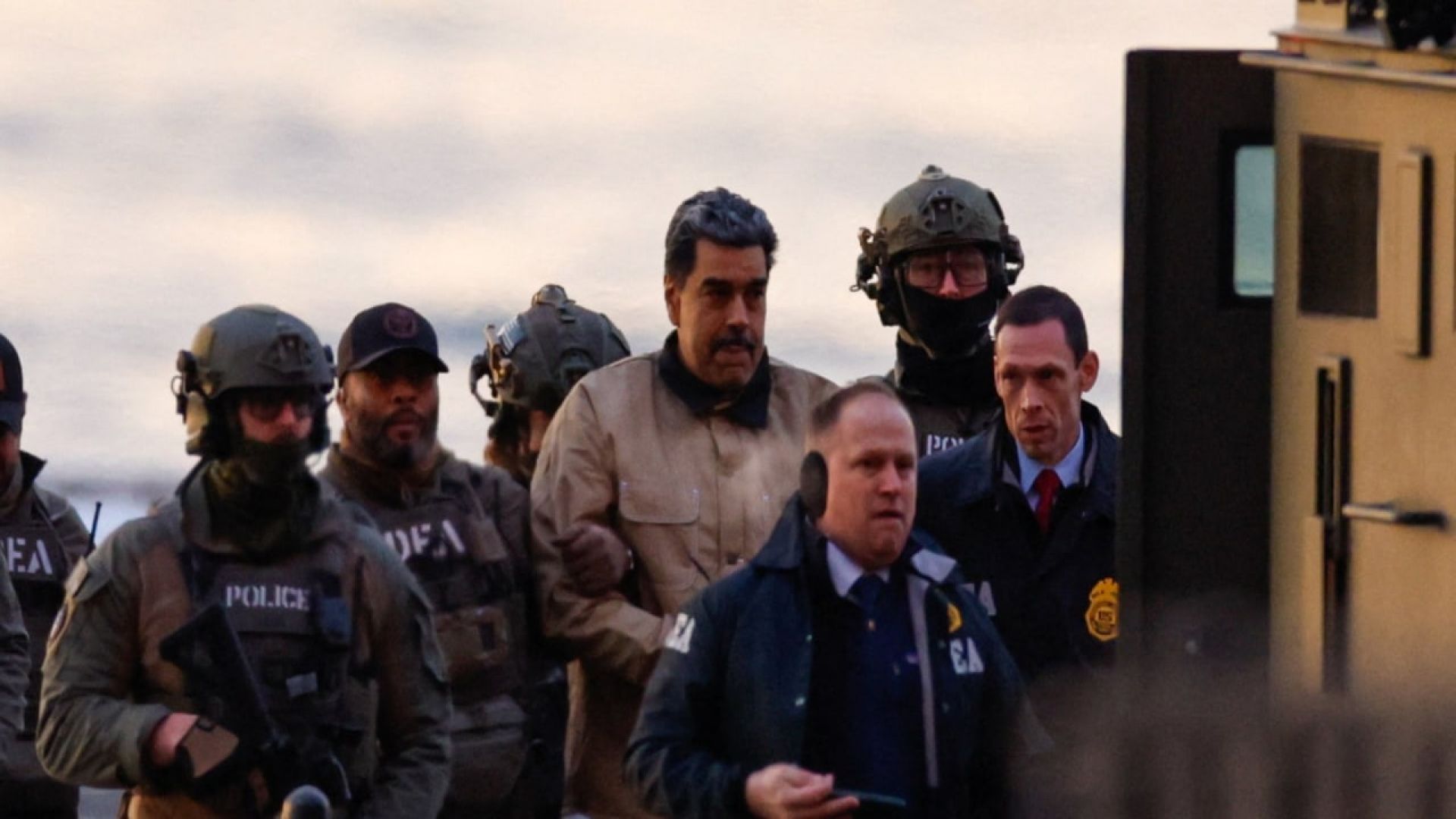
Former Venezuelan president Nicolás Maduro pleaded not guilty on Monday to U.S. federal charges related to drugs and weapons during a court appearance in Manhattan. Speaking through an interpreter, Maduro said he was innocent and insisted that he was still the president of Venezuela. His arrest came two days after U.S. military forces captured him and his wife, Cilia Flores, during a raid in Caracas ordered by President Donald Trump.
The U.S. operation was large and complex. According to American officials, about 150 aircraft and nearly 200 Special Operations troops were involved. The mission lasted just over two hours and included disabling Venezuela's air defenses so helicopters could reach the capital. U.S. officials said they faced heavy resistance. Venezuelan sources reported at least 80 deaths, including civilians and military members, while Cuban officials said 32 Cuban personnel were killed. No Americans died, though several were injured.
President Trump described the raid as a law enforcement action rather than a military attack, a distinction that matters because military actions usually require approval from Congress. Some U.S. lawmakers questioned whether the president had the legal authority to order the raid without notifying Congress. International reaction was also critical: U.S. allies and Latin American countries said the operation violated international law.
After Maduro's capture, Venezuela's vice president, Delcy Rodríguez, was sworn in as the country's new leader. However, she claimed Maduro was still president and called the U.S. action an "illegitimate military aggression." Venezuela's opposition leader, María Corina Machado, pushed for her ally to be recognized as president, but the U.S. declined, citing concerns about further instability.
Maduro now faces serious criminal charges in the United States, including narco-terrorism and drug trafficking, which could result in long prison sentences if he is convicted. This situation reflects ongoing global debates about national sovereignty, international law, and when powerful countries should intervene in others' affairs, issues also seen in current conflicts and diplomatic disputes around the world, from Eastern Europe to the Middle East.
