
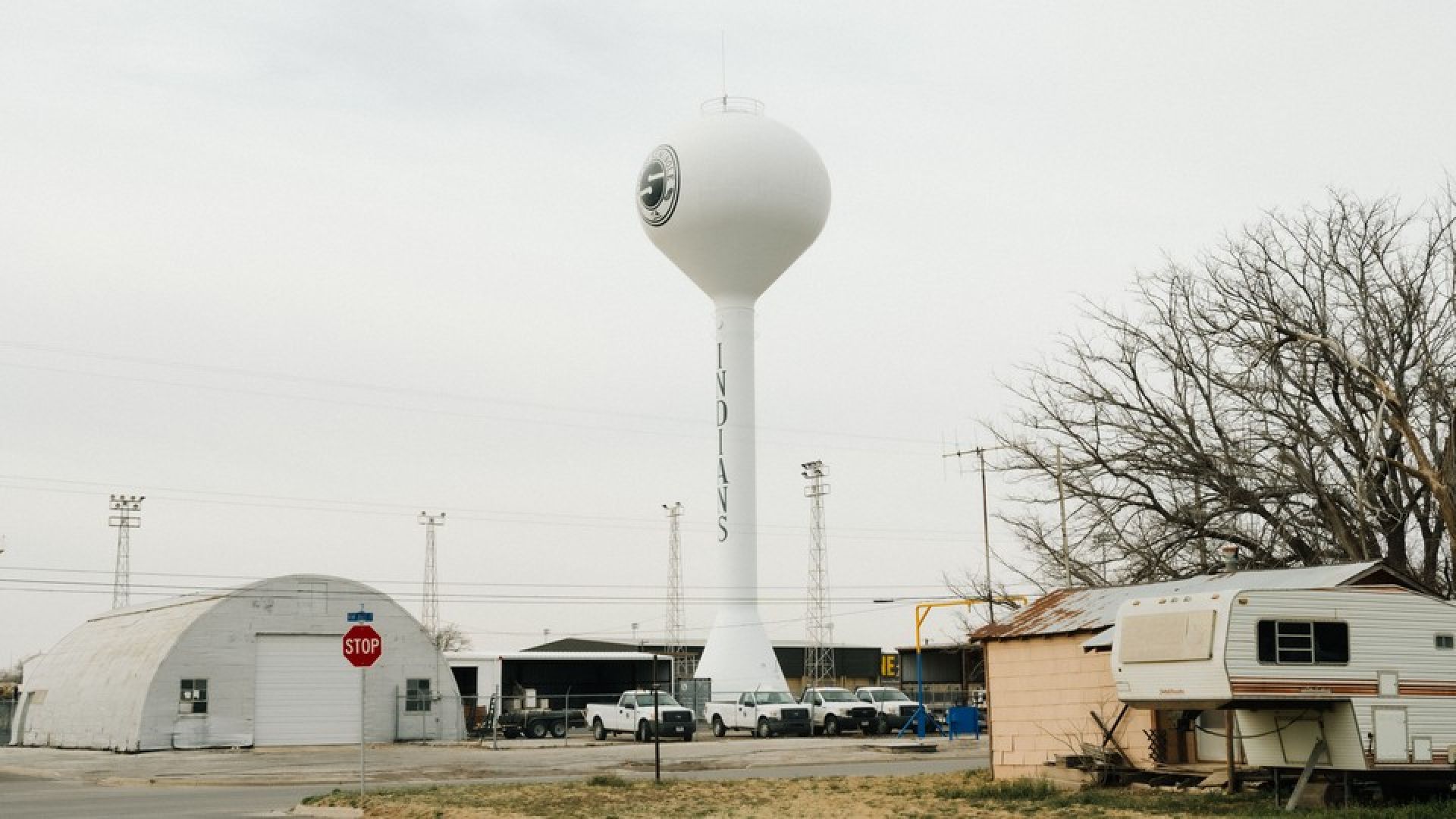
Robert F. Kennedy Jr., now the Secretary of Health and Human Services, visits Seminole, Texas, to comfort families grieving the loss of two young girls to measles. Despite publicly supporting vaccine access, Kennedy privately cast doubt on the MMR (measles, mumps, rubella) vaccine’s safety. According to Peter Hildebrand, whose 8-year-old daughter Daisy had just died, Kennedy told him, “You don’t know what’s in the vaccine anymore.” While Kennedy publicly promoted MMR distribution, many—including his own allies—believe he hasn’t shifted from his long-standing anti-vaccine views.
The deaths have been embraced by vaccine skeptics as evidence of medical error rather than the consequence of measles. Kennedy’s nonprofit, Children’s Health Defense, claimed that one girl, Kayley Fehr, was not treated appropriately for pneumonia. Similarly, Hildebrand blames medical professionals for Daisy’s death, criticizing their refusal to administer budesonide—a steroid Kennedy recommends for measles—despite it not being a medically supported treatment. Health experts like Dr. Michael Mina emphasize that prevention through vaccination remains the most effective strategy, and that budesonide is not an appropriate therapy for measles.Kennedy met privately with grieving families and local doctors known for promoting alternative treatments such as cod-liver oil. Though Kennedy avoided direct vaccine-related questions during his visit, his quiet skepticism and history of promoting unproven treatments raise concerns. He shared photos online of his visit, which Hildebrand later criticized, stating he did not want his daughter’s name or image publicized.
The article paints a portrait of a public official navigating two conflicting roles: one as a consoler-in-chief and the other as a vaccine skeptic whose mixed messaging continues to influence public health perceptions amid a measles outbreak that has already claimed young lives.