
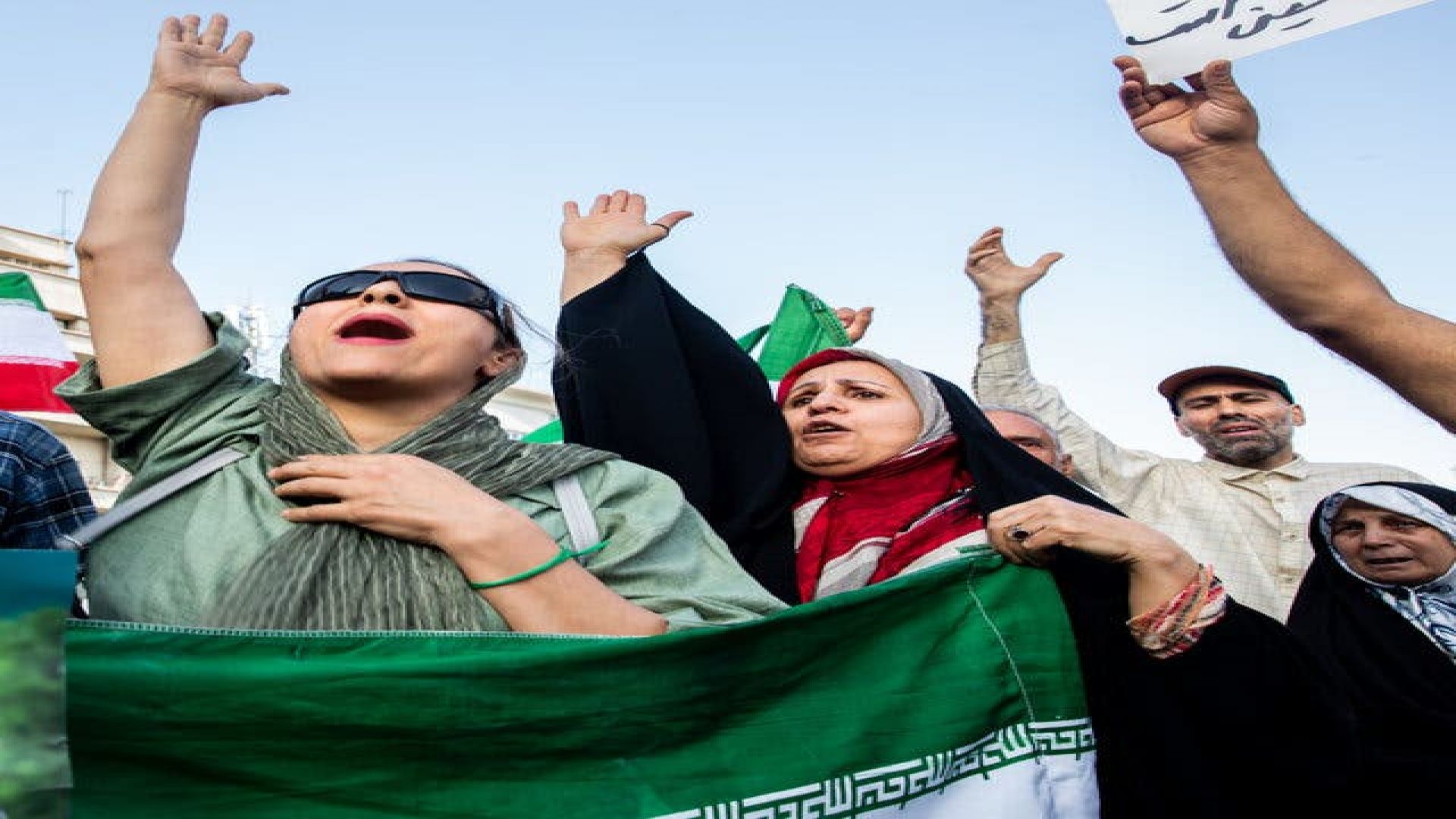
The Israel-Iran war, erupting just over a week ago, has profoundly disrupted daily life for Iran’s 90 million citizens, with over 400 people killed and more than 3,000 injured, according to Iran’s Health Ministry. As conflict escalates, including a direct U.S. strike on three Iranian nuclear sites, fear, displacement, and uncertainty are spreading rapidly.
Residents describe scenes of panic and trauma. Peyman, a business executive, fled Tehran with his extended family after a missile struck near his commute, citing concern for his daughter’s safety. Many like him are sheltering in remote areas or fleeing to neighboring countries such as Armenia, navigating chaotic evacuations and limited resources. Others, like Dr. Parsa Mehdipour, a physician trapped in Tehran during a visit, now face closed airports and must explore land and sea routes to escape.
Civilians are expressing sorrow, fear, and anger as they confront fuel shortages, nighttime airstrikes, and widespread economic fallout. Parents speak of their children suffering from war-related anxiety and nightmares. While some blame external aggressors, many express frustration with Iran’s own leadership, citing decades of failed policies, economic instability, and international isolation. The destruction of sites like the Fordo nuclear facility has only deepened this disillusionment.
Meanwhile, Iran’s government has intensified crackdowns on alleged collaborators, arresting dozens, including a European national accused of espionage. These moves, coupled with reports of intelligence breaches within Iran’s own ranks, underscore the volatile and unpredictable nature of this conflict.
This latest Middle East escalation parallels other global hotspots where civilian populations are caught between clashing powers, such as in Ukraine, Sudan, and Gaza, illustrating how geopolitical rivalries increasingly spill into everyday lives. As superpowers assert influence and pursue strategic goals, ordinary people often bear the brunt, reminding the world of the urgent need for diplomacy over destruction.