
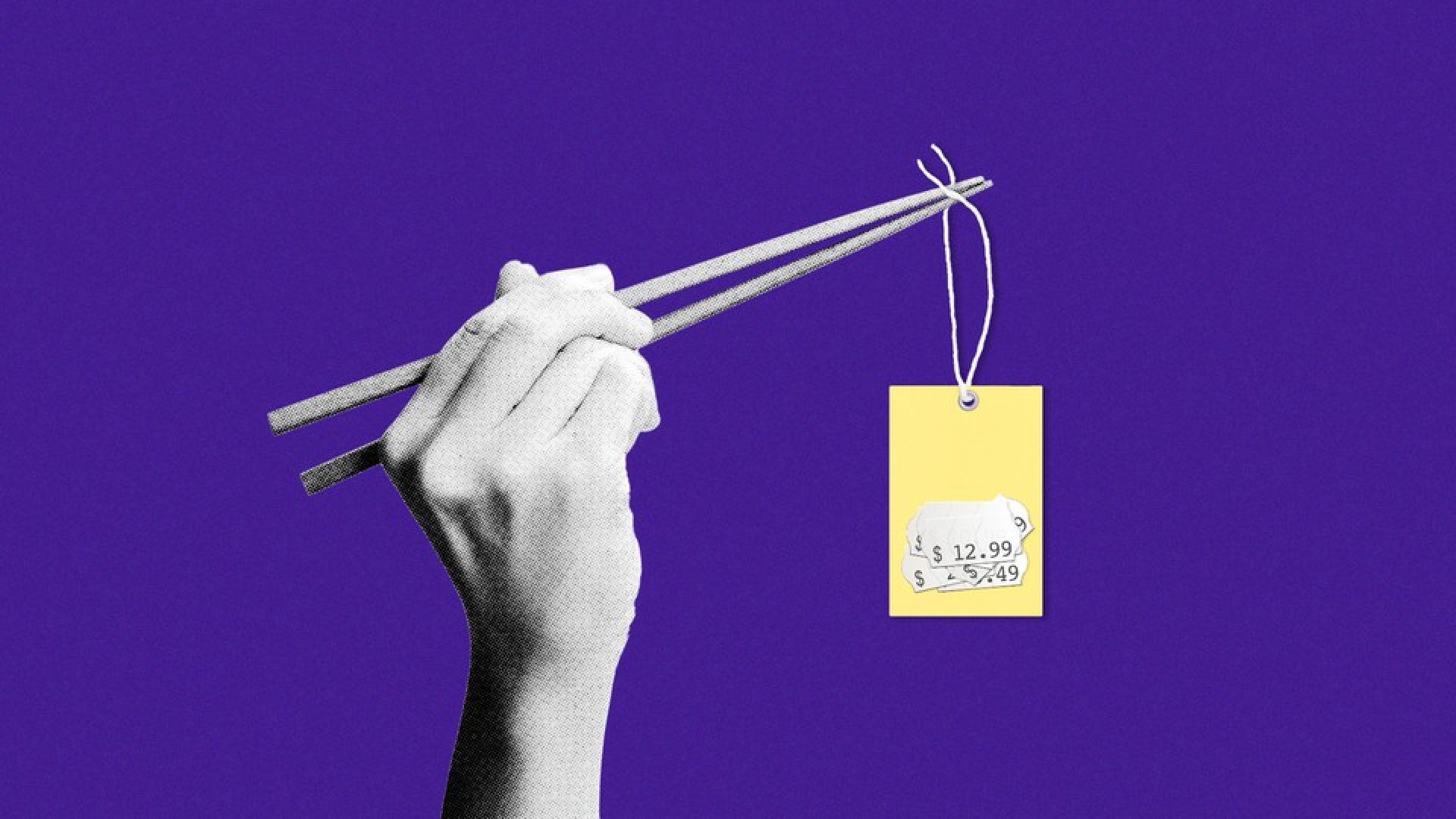
With a sweeping 145% tax on goods from China, a wide range of everyday items—particularly food staples imported from Asia—are expected to see sharp price increases. While some Americans may simply forgo non-essential purchases, for many immigrants and communities that rely on Chinese grocery stores for cultural continuity, these tariffs strike at something deeper. Stores like Hong Kong Supermarket are more than just retail spaces; they’re essential hubs where people can maintain their culinary traditions. Items like cheese-flavored instant noodles, black vinegar, and fermented bean curd—often unavailable in mainstream U.S. supermarkets—are now under threat. Although prices haven’t risen significantly yet, shoppers and store managers alike are bracing for inevitable hikes, especially on specialty and premium products. Small, independent grocery stores that already operate on slim margins may face impossible choices: raise prices and lose customers, absorb the cost and risk financial collapse, or switch suppliers and alter the food’s authenticity.
Customers express concern and frustration, with some considering stockpiling essentials. Tariffs are more than an economic inconvenience—they disrupt cultural expression and identity. For shoppers like Anna Chen and Fred Wan, these stores are about preserving daily rituals and flavors from home, not novelty. Once substitutions or sacrifices are made, a dish can become just a “sad memory” of its former self.
The impact of tariffs may not stop with Chinese grocers. Other ethnic markets—South Asian, Vietnamese, and beyond—are also likely to suffer as the ripple effects hit imported products and seasonal delicacies. Ironically, even as Asian foods become more mainstream and celebrated in food media, the rising costs could make them inaccessible to the very communities that have long depended on them.