
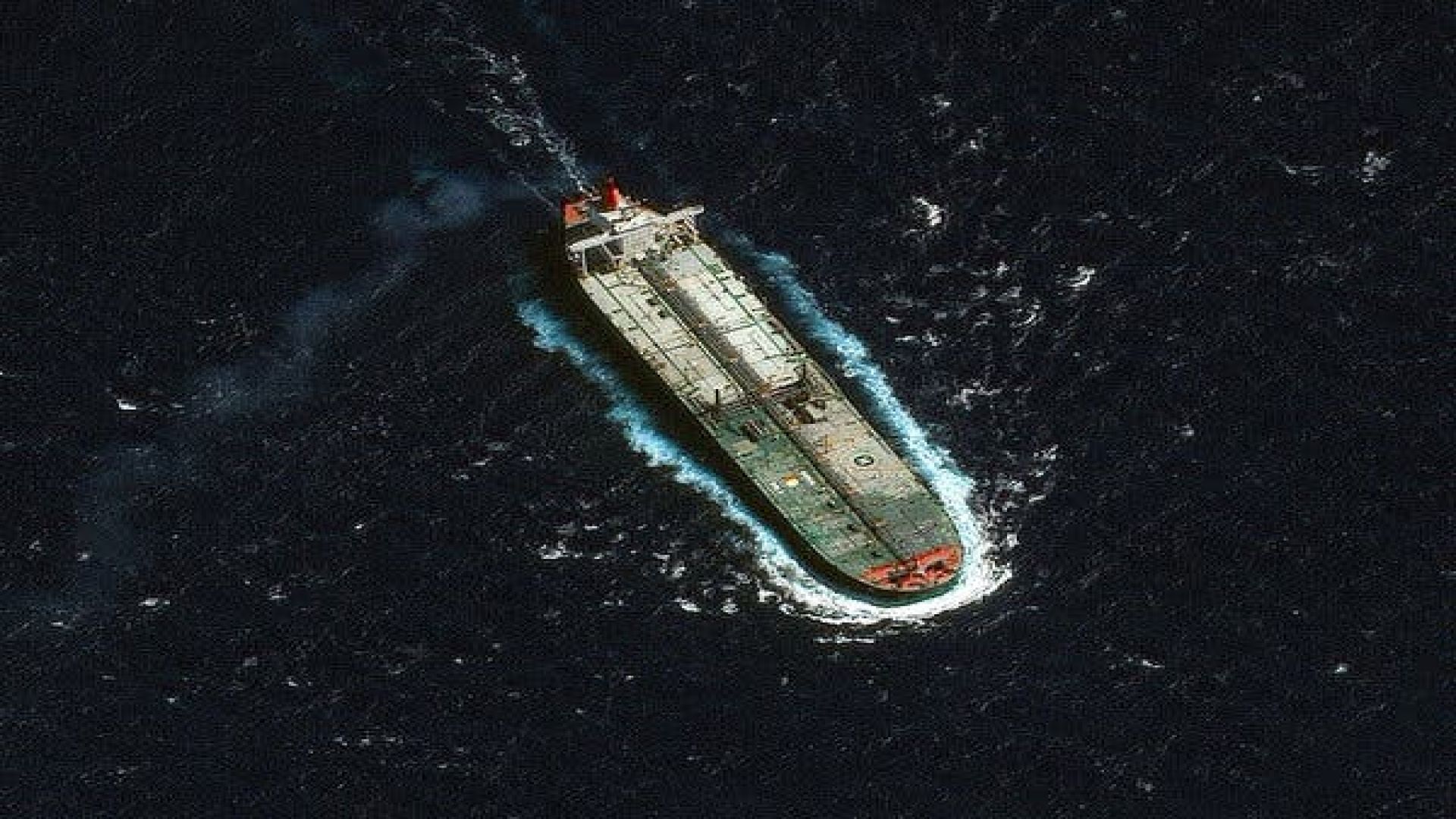
Venezuela’s oil industry is facing severe disruption as the United States steps up pressure on the country’s crude exports. President Nicolás Maduro’s government is struggling to sell and transport its oil after U.S. law enforcement targeted tankers carrying Venezuelan crude. In the past two weeks, the U.S. seized one tanker, intercepted another that was not sanctioned, and attempted to board a third. As a result, Venezuelan ports are filling with oil, and some ships bound for Venezuela have turned back, while shipowners are canceling contracts to load crude.
To cope, Maduro’s government is considering borrowing private tankers to store oil until it can be sold. Venezuelan gunboats have begun escorting tankers within territorial waters, and officials are weighing sending armed soldiers on ships traveling to China, the country’s largest oil customer. Such a move could provoke a confrontation with U.S. Navy ships in the Caribbean.These measures have disrupted a modest recovery in Venezuela’s oil sector. In recent years, the government had partially privatized operations and allowed multinational companies to participate in joint projects. However, U.S. intervention has halted most exports. Only Chevron, operating under a special U.S. permit, continues to export oil to the U.S., though Venezuela receives only half of the revenue from these shipments.
The situation also reflects broader tensions between the U.S. and Maduro. President Trump has accused Venezuela of flooding the U.S. with drugs and seizing oil from American companies, justifying aggressive actions against its tanker fleet. Venezuelan officials say these moves are threatening the country’s main source of revenue, making it increasingly difficult to sustain government operations and sell crude on international markets.
This crisis illustrates the international impact of sanctions and geopolitical conflict on energy markets. Similar tensions affect global oil prices and trade, as actions against one country’s exports can disrupt supply chains and influence energy security worldwide, particularly for nations dependent on oil imports from politically unstable regions.
