
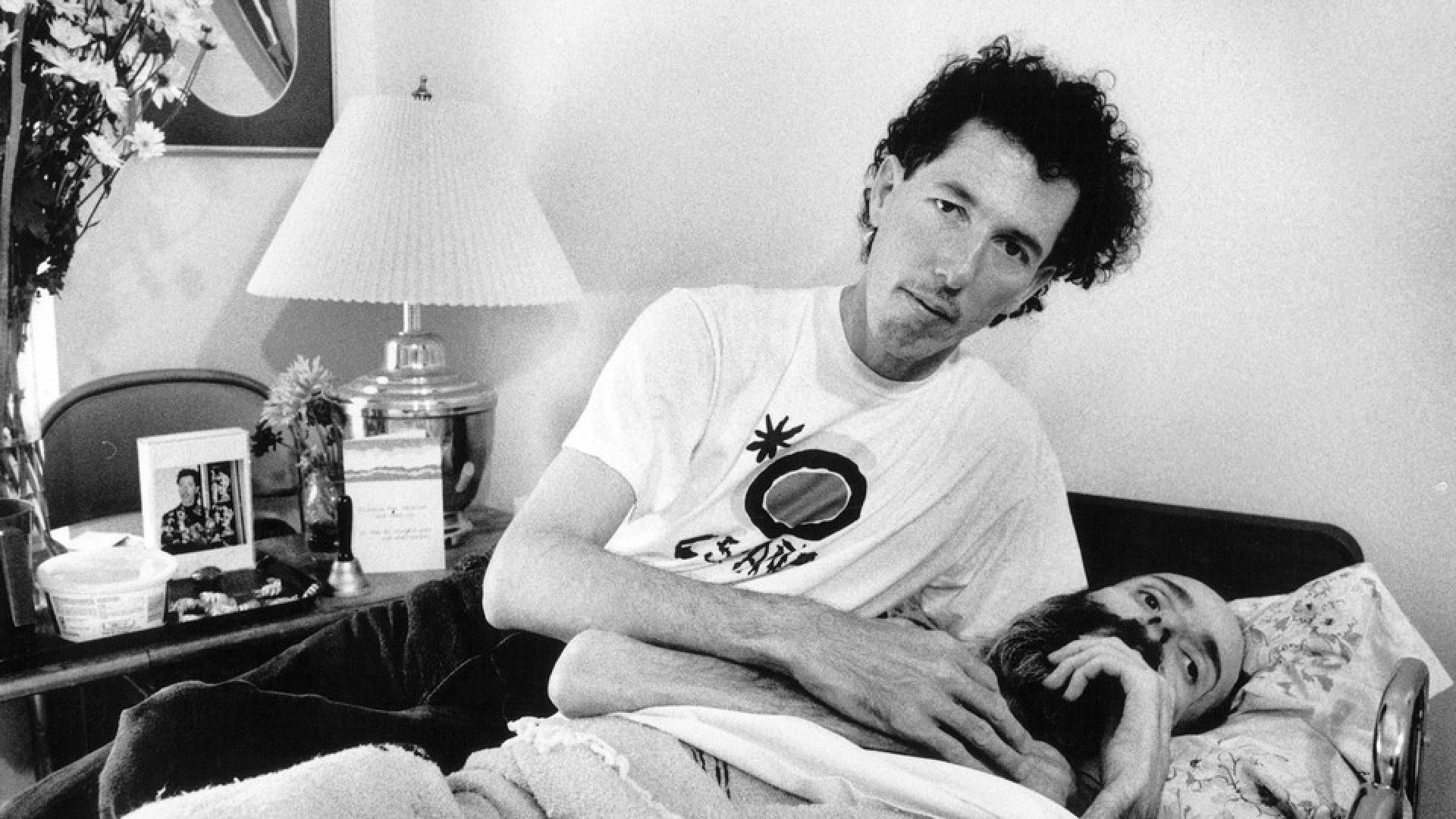
The Trump administration is actively dismantling decades of progress in HIV research, prevention, and care, undermining core principles of public health. Despite an earlier commitment to end the HIV epidemic by 2030, the administration has reversed course—cutting funding to hundreds of research grants, halting clinical trials, and dismantling infrastructure like the President’s Emergency Plan for AIDS Relief (PEPFAR) and the U.S. Office of Infectious Disease and HIV/AIDS Policy. These actions have jeopardized access to antiretroviral therapy for millions globally and could lead to millions of new infections and deaths, particularly among children in sub-Saharan Africa.
Domestically, researchers fear a resurgence in transmission due to slashed CDC programs and weakened public education efforts. Experts suspect political motivations, especially President Trump’s disdain for Dr. Anthony Fauci and broader hostility toward the public-health establishment born out of the HIV and COVID eras. The administration’s actions disproportionately harm marginalized groups—LGBTQ people, Black and Latino communities, and low-income populations—who are already at heightened risk for HIV.
Wu also traces how HIV reshaped modern public health: pushing officials to engage stigmatized communities, expand care access, and prioritize health equity. Activists’ efforts in the 1980s and ’90s revolutionized clinical trials, drug approval, and international health aid. These hard-won advances are now being reversed, and researchers warn that this could unravel trust and infrastructure built over decades.Ignoring infectious disease and the populations it affects will not make it disappear. Instead, such neglect fuels stigma, worsens outcomes, and weakens the nation’s readiness for future outbreaks.
