
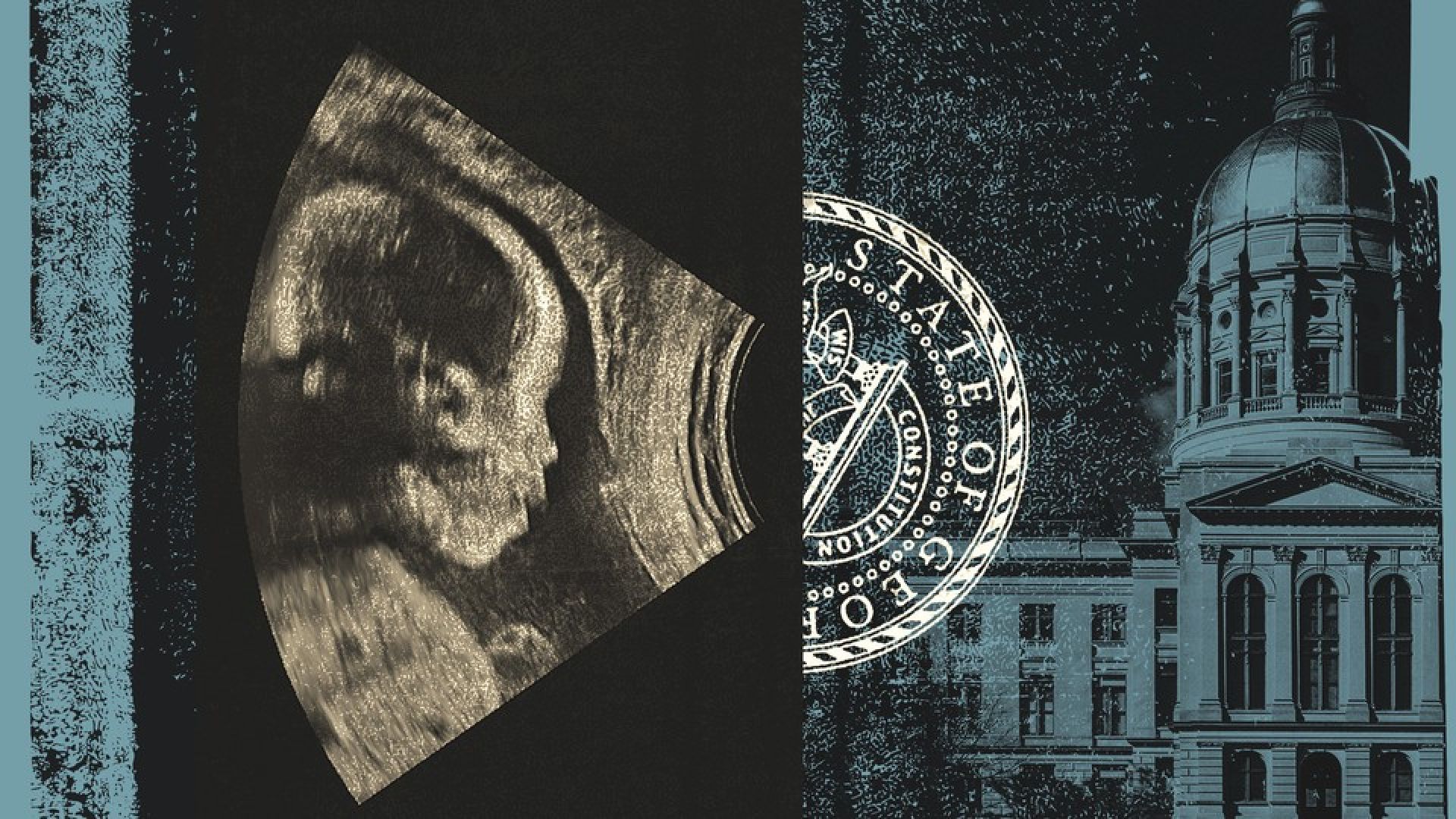
On June 13th, a premature baby named Chance was born to Adriana Smith, a woman who had been declared brain-dead for over four months after suffering a stroke early in her pregnancy. Smith’s body was kept on organ support at Emory University Hospital without her family’s consent, a deviation from standard medical practice, which typically involves removing life support from brain-dead patients within days. Her mother, April Newkirk, later learned that hospital decisions were influenced by Georgia’s LIFE Act—a fetal personhood law that grants full rights to a fetus once a heartbeat is detectable.
This legal framework appears to have overridden Smith’s and her family’s autonomy. While Smith was medically deceased, the ethical principle of autonomy still applied—her next of kin should have made decisions about her care. Yet Emory followed what it interpreted as legal obligations, not ethical or medical consensus. Newkirk was given no meaningful role in decision-making during those four months. Georgia’s attorney general has since stated that the LIFE Act does not require keeping a brain-dead woman on life support, but the state offered no formal guidance during the ordeal. The case highlights the murky territory doctors navigate under fetal personhood laws, where ethical principles—beneficence, non-maleficence, autonomy, and justice—often collide.
Smith’s case also reflects broader systemic injustices. Like many Black women in America, her initial health complaints were reportedly dismissed; she was sent home from the hospital after reporting severe headaches. A day later, she was found unconscious and never regained consciousness. Her story underscores longstanding disparities in maternal care and whose voices are heard—or ignored—within the healthcare system.
While not about abortion directly, Smith’s case is a powerful indictment of policies that strip decision-making power from patients and families. Newkirk emphasized that the issue was about autonomy and choice, declaring, “I think all women should have a choice about their body.” The case raises urgent ethical, legal, and cultural questions about how pregnant women are treated, and how their lives—and deaths—are fully disrespected under current law.