
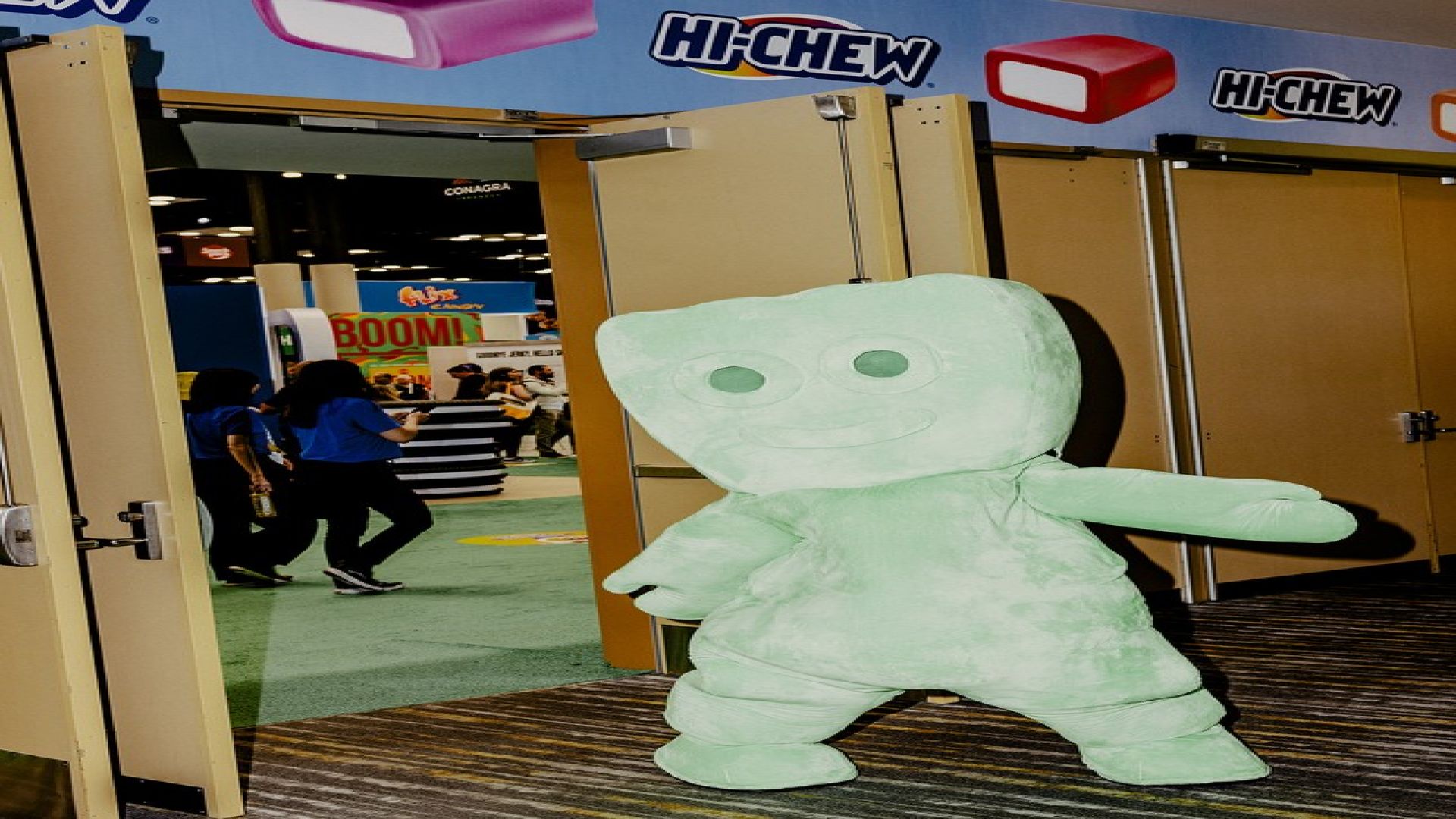
This article offers a vivid, humorous account of the Sweets & Snacks Expo, North America’s largest candy and snack industry convention—an event that starkly contrasts with Health and Human Services Secretary Robert F. Kennedy Jr.’s vision for a healthier American food system. Amid mascots, meat sticks, and endless sugary samples, Florko explores the tension between the indulgent world of processed snacks and RFK Jr.’s campaign against synthetic food dyes, sugar, and ultra-processed foods—each of which he has labeled “poison.”
While candy companies like Mars have dabbled in healthier offerings, such as Kind bars, the broader industry appears unbothered by Kennedy’s regulatory threats. Despite RFK Jr.’s claim that the food industry had voluntarily agreed to eliminate synthetic dyes by 2026, industry representatives denied any such agreement. Products on display still prominently featured controversial ingredients like tartrazine, a synthetic dye Kennedy has specifically condemned. The industry argues that the FDA has not conducted sufficient reviews to justify banning dyes and points out logistical challenges in switching to natural alternatives, which are more expensive, less stable, and potentially alter flavor. For example, using beet juice instead of red dye might make Dum-Dums taste like beets.
Kennedy’s proposed reforms face formidable political and logistical barriers, including regulatory procedures, industry pushback, and possible lawsuits. Even if he succeeds, changing America’s relationship with candy won’t be easy. Candy is culturally entrenched—seen in the Expo’s whimsical atmosphere, where adults joyfully hoarded samples, mascots danced to a live marching band, and nostalgia reigned.
While RFK Jr. may push for transparency and public health reforms, the Expo's chaotic joy suggests that any real revolution in America’s diet will require more than regulation. It will demand a cultural shift in how the nation views and consumes its favorite indulgences.
