
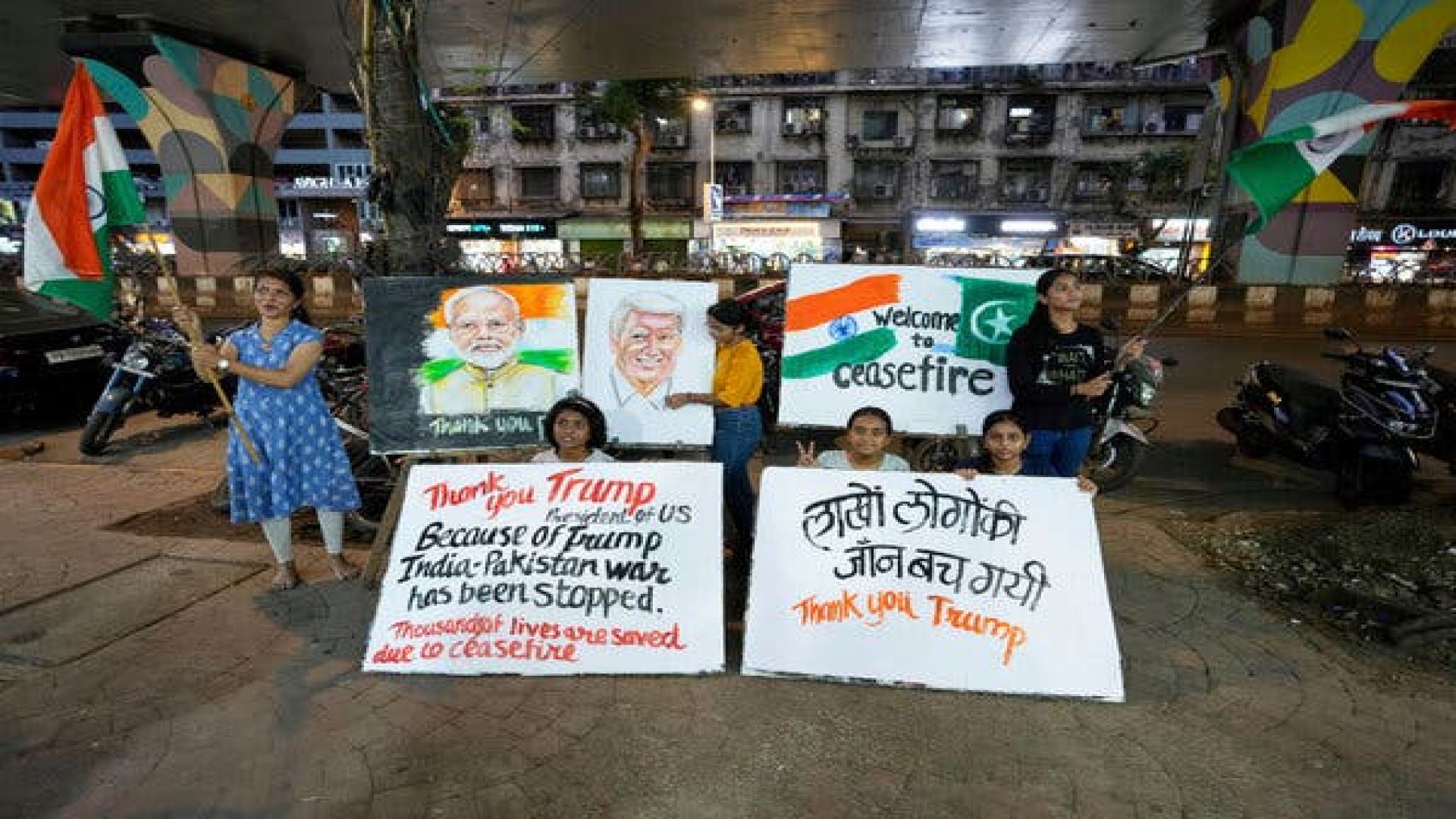
A recent escalation in violence between India and Pakistan following a deadly terrorist attack in Kashmir has drawn urgent international attention, particularly from the United States. Although Vice President JD Vance initially downplayed the crisis, calling it "none of our business," both he and Marco Rubio, serving as national security adviser and secretary of state, were soon deeply involved due to growing fears of nuclear escalation. The conflict intensified with air skirmishes and a significant drone incursion by Pakistan, culminating in explosions near Nur Khan air base, located close to Pakistan’s nuclear command facilities. This proximity raised alarms about a potential decapitation strike targeting Pakistan’s nuclear leadership, prompting concerns that the situation could spiral into a nuclear exchange.
U.S. officials, recognizing the risk, launched a series of high-level diplomatic efforts. Vance called Indian Prime Minister Narendra Modi, warning of the high probability of all-out war, while Rubio engaged with top Pakistani officials, including General Munir and Foreign Minister Ishaq Dar. Though the State Department remained vague publicly, private sources credit U.S. involvement, especially Rubio’s behind-the-scenes diplomacy, with helping secure a cease-fire. While Pakistani Prime Minister Shehbaz Sharif publicly thanked President Trump for his leadership, India did not acknowledge U.S. involvement. Despite the cease-fire, cross-border hostilities reportedly continued, and Pakistani intelligence suspected India of trying to provoke further conflict.