
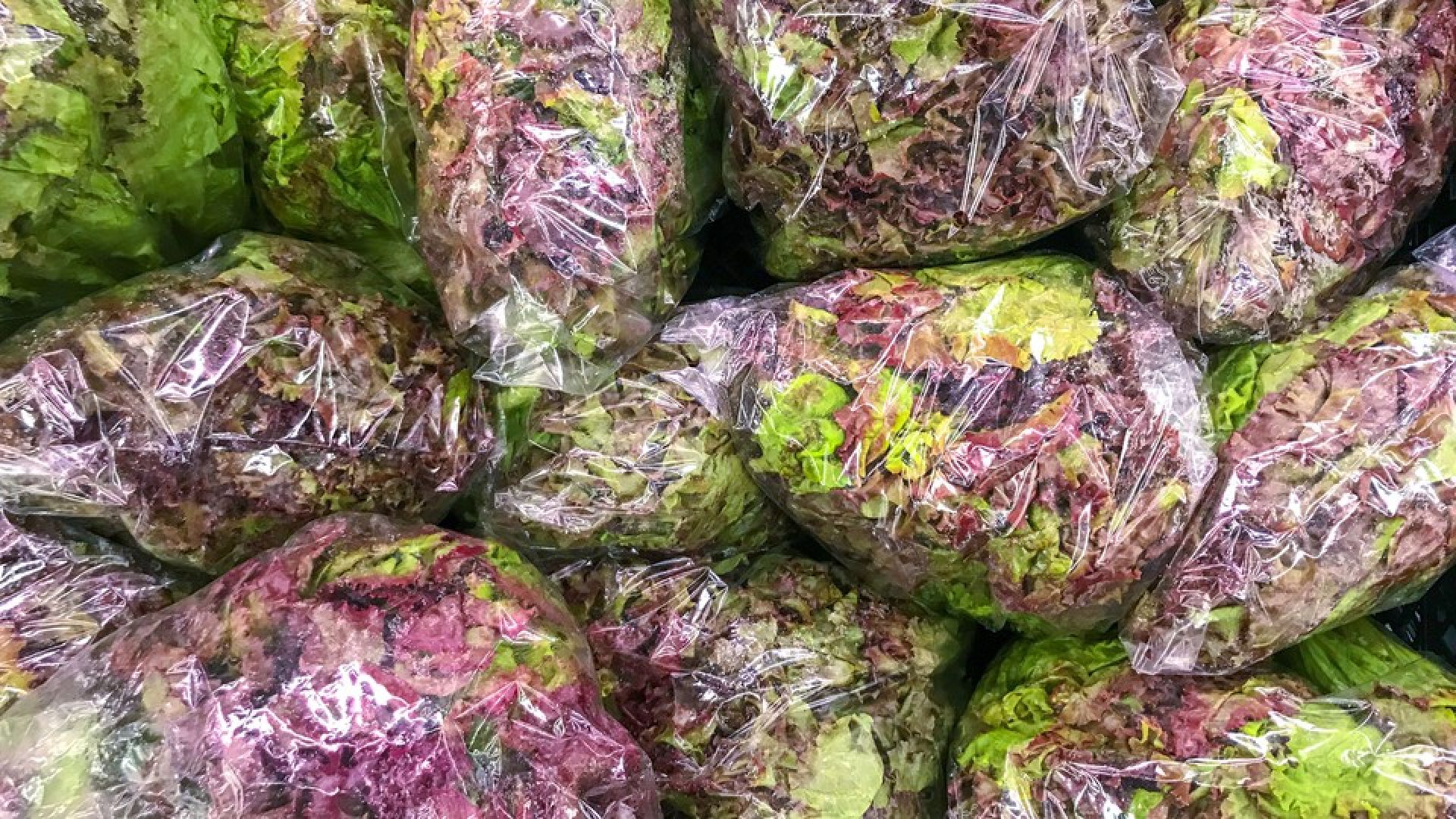
Although leafy greens may not be the first food associated with foodborne illness, they were the leading cause of multistate outbreaks in 2022. Romaine lettuce is especially problematic, with recent E. coli outbreaks linked to prepackaged versions. Ironically, pre-washed, ready-to-eat lettuce poses greater risk than whole heads, due to both the industrial chopping process and diminished government oversight.
The food safety system in the U.S. has long been underfunded and neglected, but recent cuts have deepened the crisis. The Biden administration reduced funding for state inspections, while Trump-era downsizing efforts further thinned FDA capacity. These pressures have made it harder to detect and report outbreaks in a timely way. A case in point: a 2023 romaine outbreak wasn’t publicly disclosed until NBC News uncovered internal FDA documents. The FDA chose not to release details because the threat had supposedly passed by the time it traced the source—leaving consumers dangerously uninformed.
Bagged lettuce increases risk because a single contaminated head can spread bacteria to an entire batch during processing. Moreover, studies show that chopping romaine accelerates the growth of pathogens, particularly in warmer conditions. Washing lettuce at home offers limited protection, as only cooking can reliably kill harmful bacteria.
Beyond the lettuce itself, the broader concern is systemic failure. FDA inspection targets have been consistently missed since 2018, and food safety research and staffing have been cut. Under Health and Human Services Secretary Robert F. Kennedy Jr., layoffs and halted communications have exacerbated the issue. With government transparency shrinking, experts fear outbreaks will appear to decrease—not because food is safer, but because they’re going undetected. Author Nicholas Florko’s advice is simple: skip bagged lettuce for now. While whole heads aren’t foolproof, they significantly reduce exposure risk. In an era of weakened oversight, opting to chop your own lettuce may be a small act of self-protection against a failing food safety system.
