
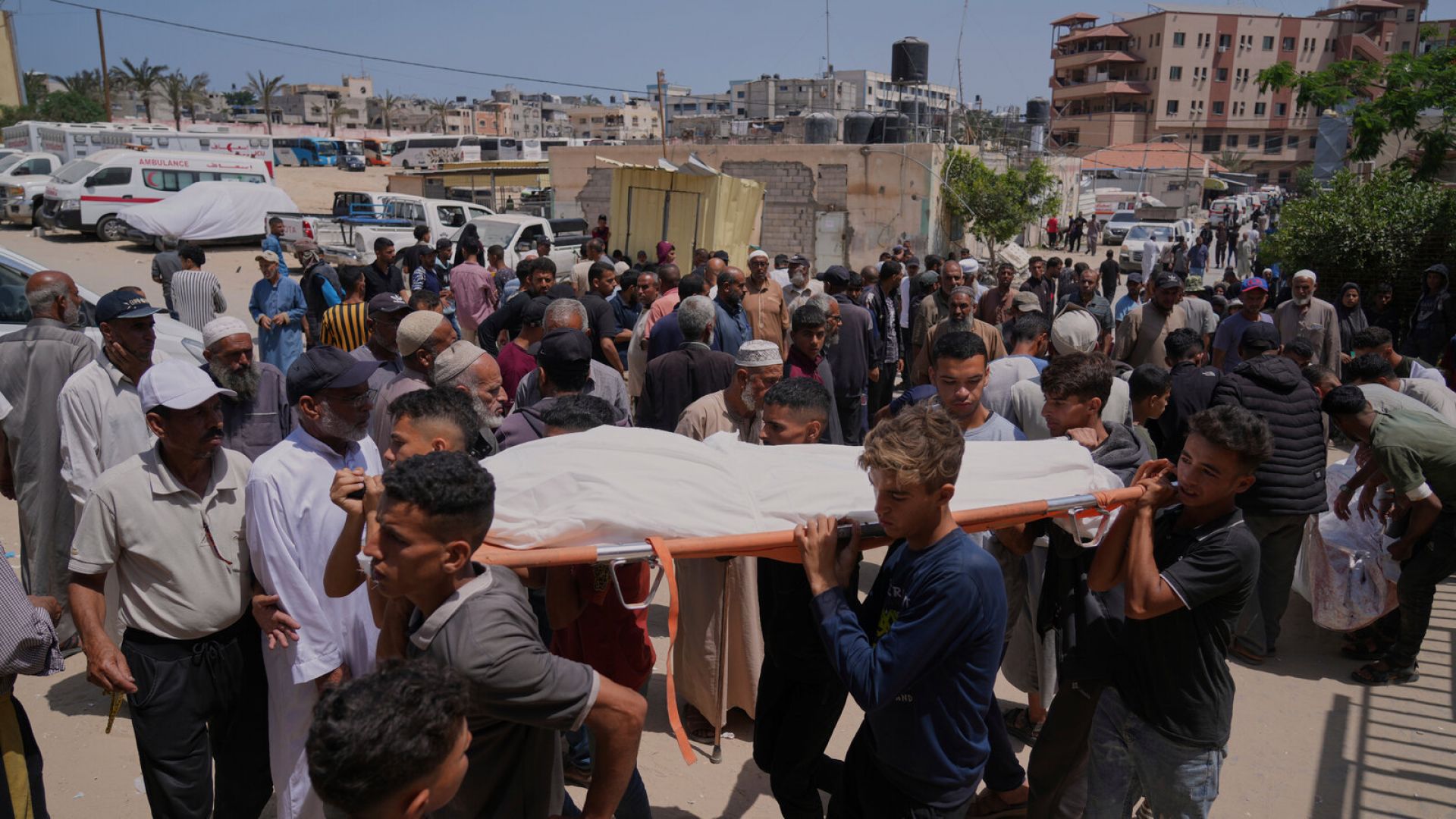
At least 20 Palestinians were killed and over 100 wounded on Sunday when gunfire erupted near an aid distribution site in Rafah, southern Gaza. The victims, many seeking basic food supplies amid severe shortages, were reportedly trying to access aid before the site officially opened. Accounts from health officials and eyewitnesses suggest most casualties resulted from gunshot or shrapnel wounds. While the Israeli military initially denied responsibility, it later acknowledged firing warning shots toward individuals it deemed “suspicious” for approaching troops.
The incident highlights the mounting chaos surrounding a recently launched, Israeli-backed aid initiative. Overseen by U.S. security contractors and supported by Israeli military logistics, the program has aimed to bypass Hamas by setting up tightly controlled aid sites. However, the lack of coordination with established humanitarian groups, including a boycott by the United Nations and others, has led to confusion and disorder on the ground. Many Palestinians, desperate for food after a two-month blockade, have resorted to long, dangerous treks—often in the early morning hours—just for a chance at one carton of food.
Witnesses described scenes of panic, including tanks and gunfire, as large crowds pressed toward aid areas. Despite the Gaza Humanitarian Foundation’s claim that aid was distributed "without incident," the Red Cross and the World Food Program contradicted this, reporting multiple fatalities and injuries. The events came just one day after the Trump administration rejected Hamas’s latest counteroffer to a U.S.-backed cease-fire proposal, prolonging the deadlock in truce negotiations.
Globally, the tragedy echoes growing tensions over the politicization of humanitarian aid in conflict zones. Similar patterns are emerging in Sudan and parts of the Sahel, where access to food and medicine is increasingly shaped by military objectives. The Gaza case underscores the urgent need for neutral, coordinated aid systems that prioritize human survival over geopolitical strategy.