
The Department of Government Efficiency (DOGE), led by Elon Musk, has claimed that recent regulatory rollbacks under the Trump administration will save Americans $29.4 billion. However, a closer look reveals that many of these “savings” may actually result in higher costs for households. For example, the reversal of Biden-era credit card late fee caps—originally projected to save consumers $10 billion annually—is now framed by DOGE as a $9.5 billion gain, despite benefiting banks more than individuals.
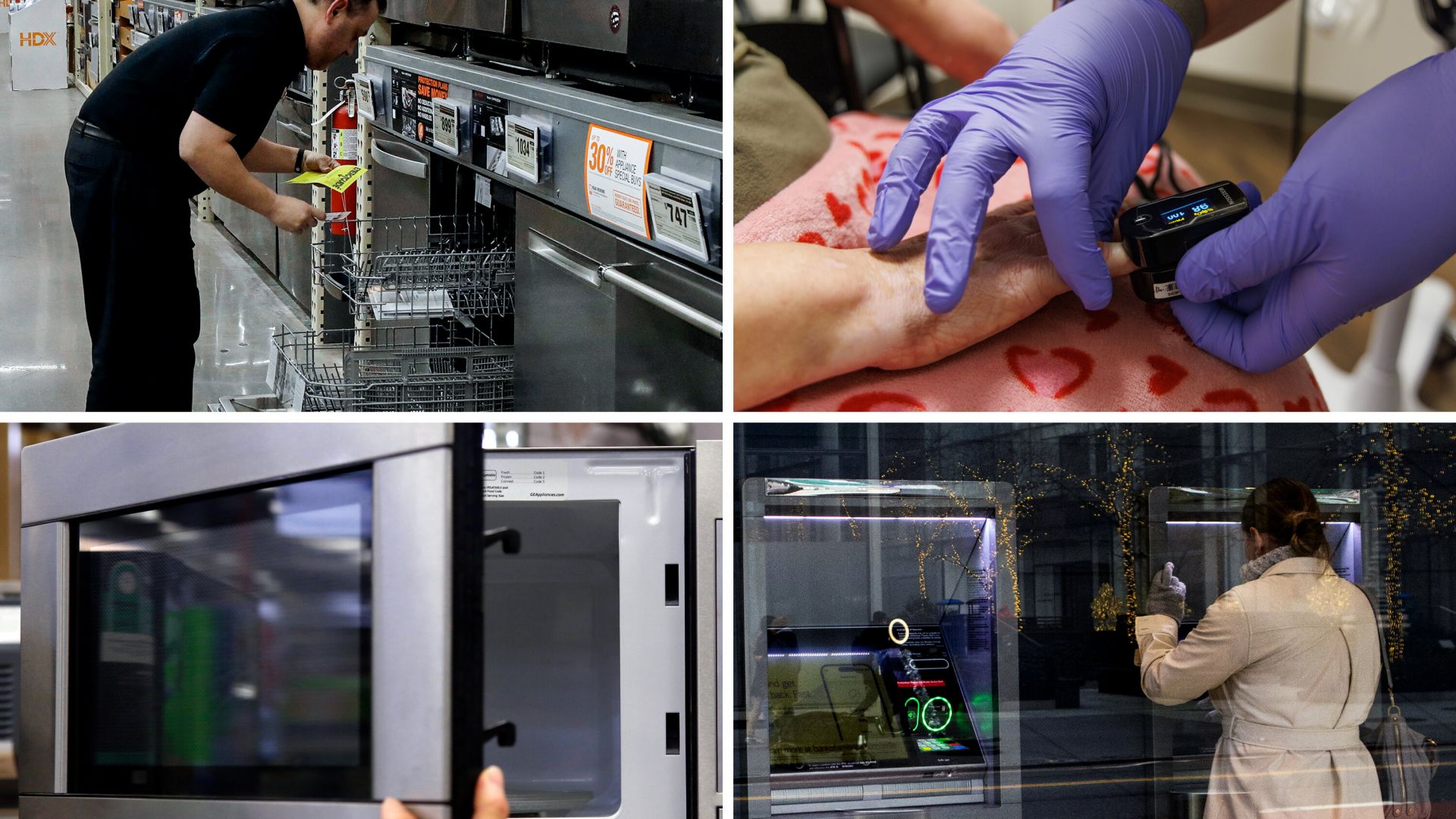
DOGE’s “Agency Deregulation Leaderboard” promotes these figures as wins for the public, but experts argue they reflect savings for corporations, not consumers. Analysts from The New York Times and regulatory scholars found that many of DOGE’s numbers lack transparency and fail to meet the legal standard for cost-benefit analysis. Appliance efficiency rollbacks, for instance, are said to save $4 billion; yet, government data shows that they previously saved households an average of $576 annually in utility bills.
DOGE’s methodology is unclear. Some figures appear to be drawn from internal agency estimates without formal documentation. Experts like Susan Dudley and Emily Hammond have criticized the lack of rigor, noting that the numbers often contradict established economic analyses. Even appliance manufacturers oppose the rollbacks, warning of fragmented state regulations and increased costs.
Ultimately, DOGE’s claims reflect a broader deregulatory push that prioritizes corporate relief over household savings. While Musk touts transparency, the data suggests otherwise. Without clear evidence, the leaderboard risks misleading the public about who truly benefits from these policy changes.