
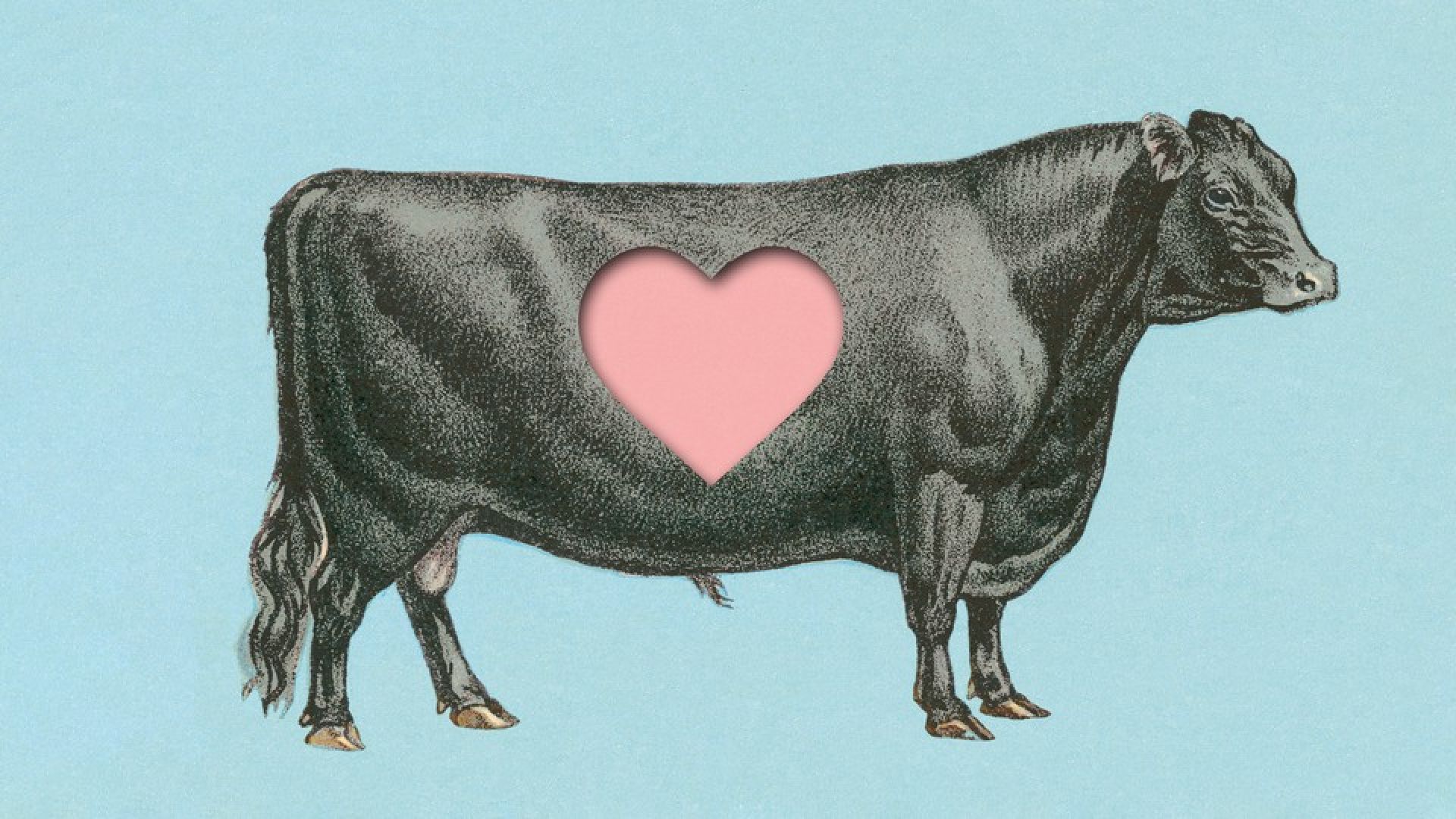
Valerie Trapp explores the unexpected resurgence of organ meats—particularly beef liver—within American diets, largely fueled by social media influencers and wellness trends. Once shunned for their unappealing image and associations with poverty, organ meats (or offal) are now being rebranded as nutrient-dense superfoods. Influencers promote beef liver with theatrical devotion, casting it as a health-boosting alternative to kale and other conventional “health foods.” Platforms like TikTok have popularized organ meat among tradwives, carnivore dieters, and health enthusiasts, often emphasizing its supplement-like benefits over its culinary appeal.
This enthusiasm has sparked a growing market for offal in both whole and processed forms, such as pills, powders, protein bars, and even smoothies. Retailers like Whole Foods and Erewhon have embraced the trend, reporting soaring sales of blended organ meats. The modern movement aligns with “ancestral” or carnivore diets and builds on earlier “nose-to-tail” philosophies, but it prioritizes convenience over culinary tradition.
Historically, organ meats were part of global cuisines and valued for their nutritional content. However, in the U.S., their popularity declined by the mid-20th century due to changing tastes, increased availability of muscle meats, and lingering classist and racist associations. Attempts to revive their image—from wartime campaigns to gourmet cookbooks—met limited success until now. Despite claims that organ meats improve skin, energy, and immune health, experts caution against overconsumption, particularly of liver, which can lead to vitamin A toxicity. Influencers with commercial stakes in organ-meat supplements, like Paul Saladino and Brian “Liver King” Johnson, face criticism for spreading exaggerated health benefits with little scientific backing.
Still, Trapp suggests that organ meats offer a way to reduce food waste and confront the ethical dilemmas of meat consumption. While they may never become mainstream, their revival reflects shifting attitudes toward nutrition, sustainability, and how Americans relate to the food they eat.