
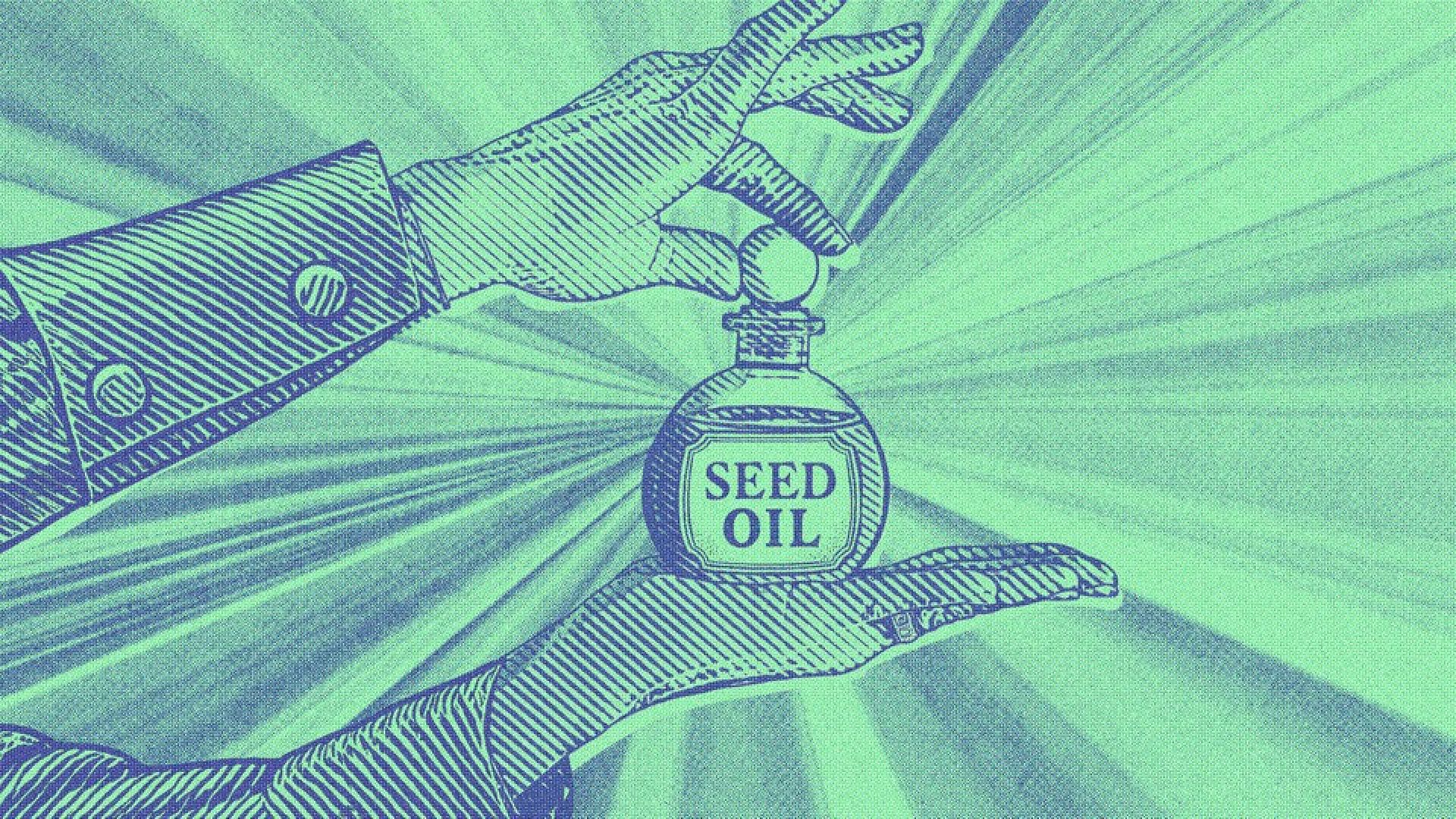
Rachel Sugar explores how U.S. tariffs may unintentionally boost the popularity of seed oils, despite a growing cultural backlash against them. Seed oils—like canola, soybean, and corn—have recently been vilified by figures such as Robert F. Kennedy Jr. and Joe Rogan, who blame them for chronic health issues. However, nutritionists maintain that seed oils are safe in moderation. Public skepticism has grown regardless, prompting grocery stores and restaurants to market “seed-oil-free” options and replace them with alternatives like olive or avocado oil.
Olive oil, the favored replacement among critics, is already expensive and could soon become even pricier due to potential new tariffs proposed by Donald Trump. Most U.S. olive oil is imported from Europe and North Africa and could face tariffs as high as 28%. Since the U.S. produces less than 2% of its own olive oil—mostly in California—domestic production cannot fill the gap. Additionally, olive trees take years to bear fruit, discouraging investment in U.S. production under tariff uncertainty.
In contrast, seed oils are mostly made from American-grown soybeans, corn, or Canadian canola and are not targeted by the proposed tariffs. This makes them a much cheaper and more stable option. As olive oil becomes less affordable, consumers—especially price-sensitive ones—may revert to seed oils. Even restaurants might reconsider costly seed-oil-free initiatives, opting instead for blended or fully seed-oil-based alternatives to protect their margins..