
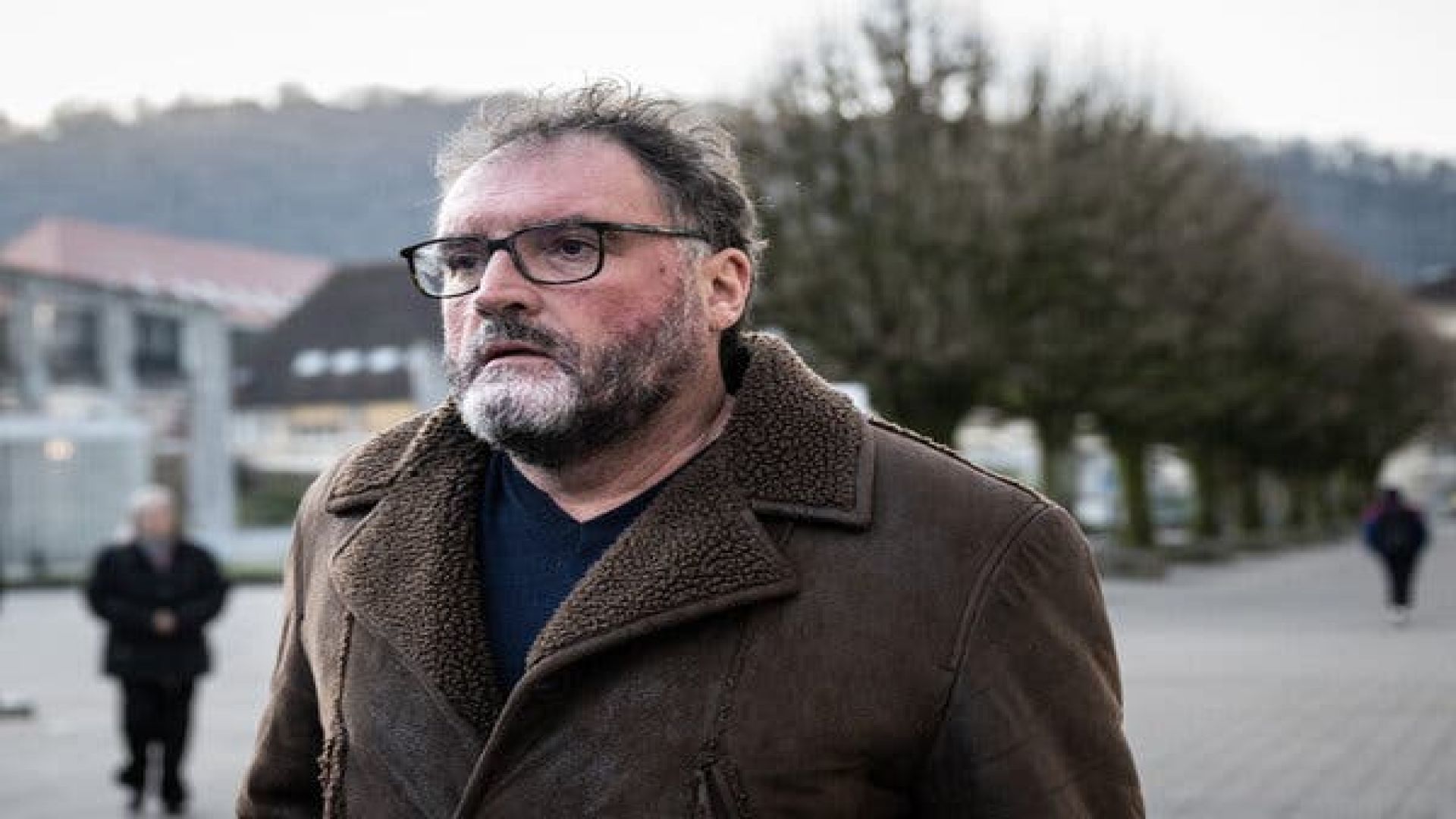
A French court has sentenced an anesthesiologist, Frédéric Péchier, to life in prison for intentionally poisoning 30 patients, leading to the deaths of 12 people. The crimes took place between 2008 and 2017 at two medical clinics in the city of Besançon, in eastern France. The verdict came after a long 15-week trial, and the court described the crimes as extremely serious. Life sentences are rare in France, which shows how severe the court believed the case was.
Péchier was also permanently banned from practicing medicine and will not be eligible for parole for at least 22 years. He has denied the accusations since the investigation began eight years ago, and his lawyer has said he plans to appeal the verdict.
One of the victims was a 4-year-old boy named Tedy, who fell into a coma after Péchier allegedly injected a toxic substance into his IV during a routine surgery. Although Tedy survived, he suffered cardiac arrest for 25 minutes and needed multiple doses of adrenaline and electric shocks to stay alive. Lawyers for the victims said the verdict brought relief after years of waiting for justice.
Victims’ attorneys described Péchier as one of the worst criminals in modern French legal history due to the number of deaths and survivors affected. They criticized him for refusing to explain why the poisonings occurred, though they hope an appeal trial might reveal more information.
Péchier has said he understands the pain of the victims’ families but insists he is not responsible. He told a French radio station that the accusations destroyed his personal life, leading to the loss of his job, divorce, separation from his children, and a suicide attempt. Despite this, the court ordered his immediate imprisonment following the verdict.
This case connects to broader global discussions about patient safety, trust in medical professionals, and oversight in health care systems. Around the world, rare but shocking cases of medical abuse raise questions about how hospitals monitor staff and protect vulnerable patients.
