
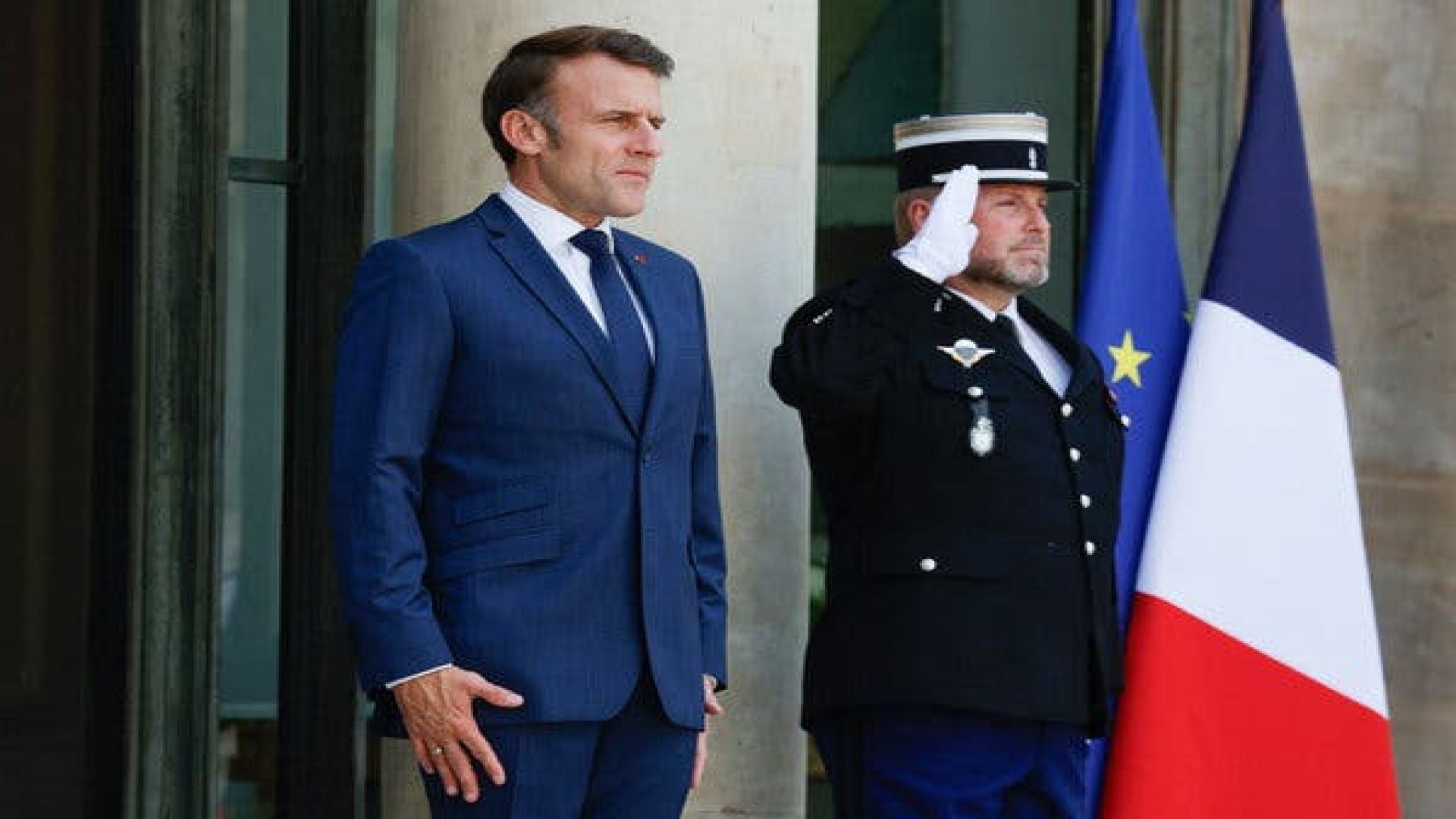
This stance has drawn fierce backlash from Israel, which accuses Macron of legitimizing Hamas and supporting terrorism. Israeli officials sharply criticized Macron’s position during high-level meetings in Jerusalem. Meanwhile, the United States, a key ally of both nations, has urged countries to boycott the postponed conference and opposes any unilateral recognition of Palestinian statehood.
Macron’s move signals growing European frustration with Israel’s far-right government, especially in light of the humanitarian toll in Gaza, where an estimated 56,000 Palestinians have died, and Israel’s continued expansion of West Bank settlements. French officials argue that recognition could help open a political path to peace and disarm Hamas, especially in the absence of any Israeli plan for post-war Gaza governance.
France’s recognition would carry more diplomatic weight than recent similar decisions by Spain, Ireland, and Norway due to its role as the EU’s only nuclear power and a permanent U.N. Security Council member. It also reflects a broader historical shift; once a key military ally of Israel, France has in recent decades emphasized support for Palestinian self-determination.Globally, Macron’s potential decision mirrors increasing calls for equitable resolutions to long-standing conflicts, from Ukraine to Western Sahara. As more nations challenge status quo diplomacy, Macron’s stance underscores a wider debate: whether unilateral recognition can accelerate peace or further polarize already volatile regions. Either outcome may influence international norms on statehood and conflict resolution.
