
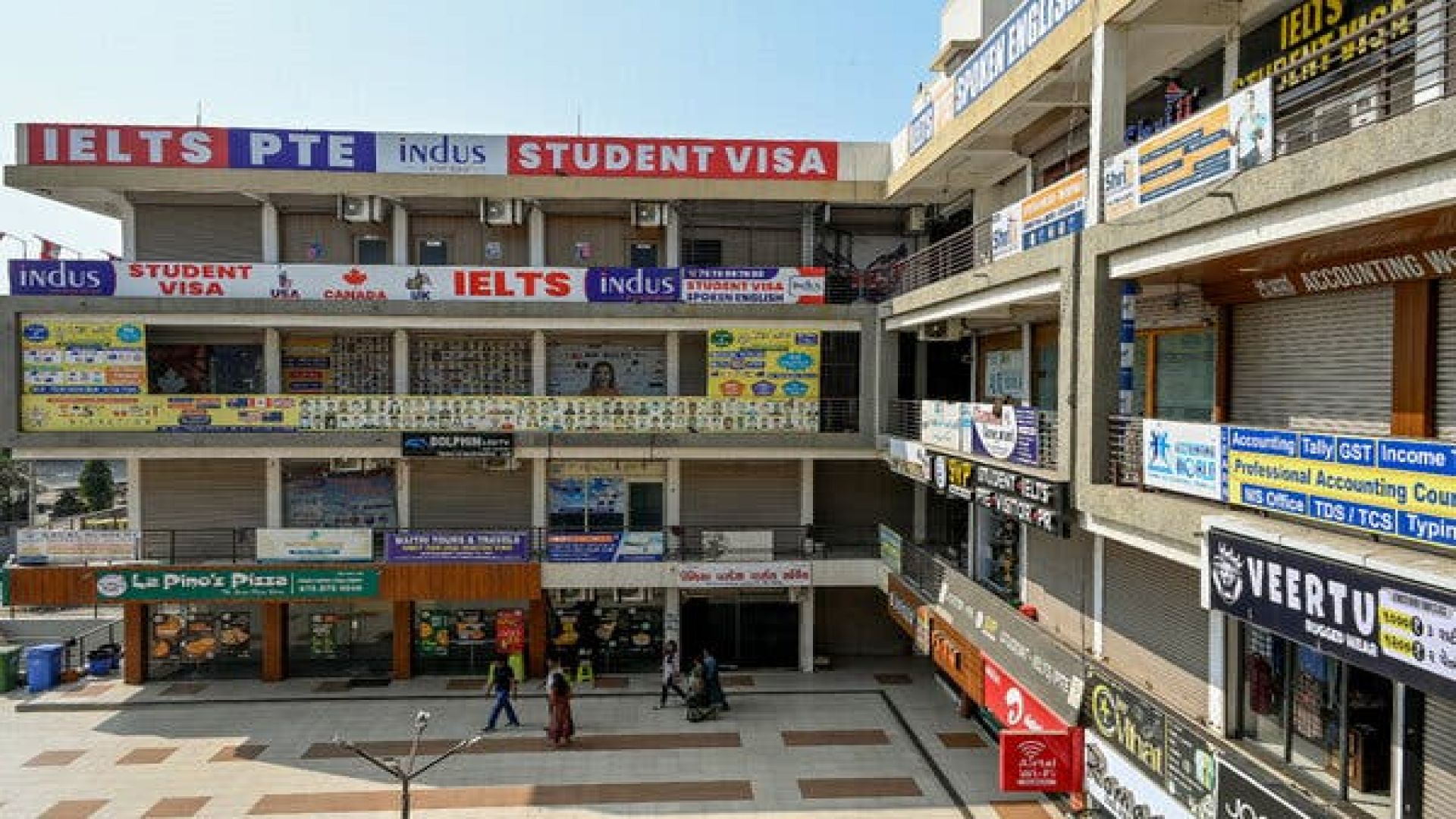
The recent policy shifts under the Trump administration have thrown the dreams of many Indian students into uncertainty. With India sending more students to the United States than any other country, around 330,000 in 2023-24, this disruption has had widespread effects. After a temporary halt in student visa interviews and increased scrutiny of social media accounts, students are feeling anxious and unsure of their academic futures.
In response, students are adapting: joining encrypted chat groups, revising social media profiles, or even turning to religious rituals at so-called “visa temples” in hopes of divine intervention. Some are exploring alternative destinations like the UK or Singapore, while others, like Shramanth R., are re-evaluating whether the prestige of an American degree is worth the growing unpredictability and cost.
Career counselors like Karan Gupta have been inundated with calls from worried students and parents. While he reassures them that most visa applications will proceed, he acknowledges the emotional toll. Even top-tier admits are keeping backup plans active, wary of escalating policy changes.
This uncertainty has eroded some of the longstanding faith in the American higher education system, an institution credited with shaping leaders like Satya Nadella, Sundar Pichai, and Gita Gopinath. Students fear that if even elite schools like Harvard can be targeted, no institution is safe from political interference.
Globally, this situation mirrors rising geopolitical tensions and growing scrutiny of international student flows in countries like Canada and Australia, where policy changes and visa backlogs have also stirred discontent. As the global education landscape shifts, the U.S. risks losing its dominance as a preferred destination, challenged not only by rising Asian competitors but also by its own internal instability. In a time of global educational realignment, trust and predictability may prove just as important as academic prestige.
