
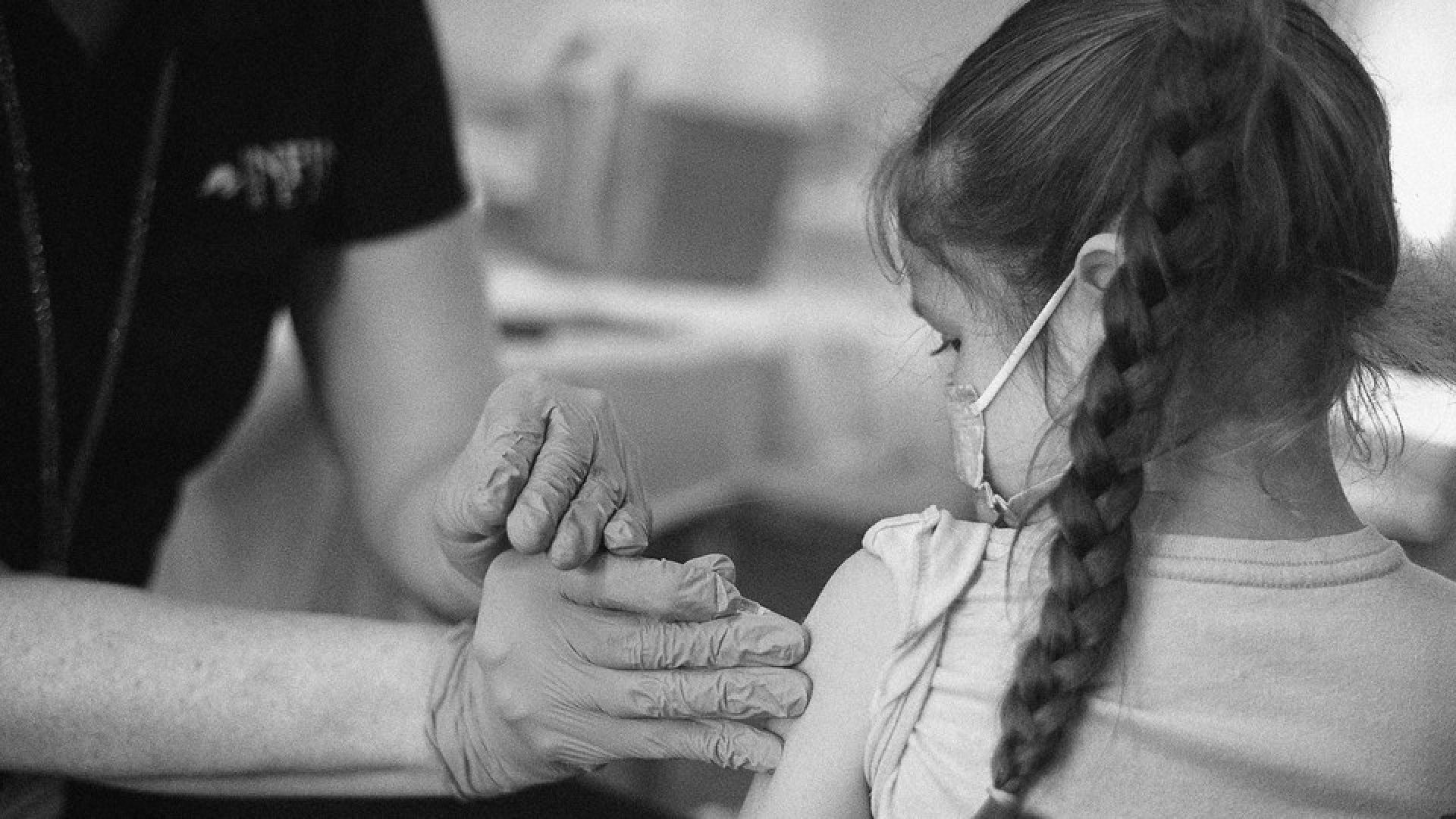
The new U.S. COVID-19 vaccine framework, announced by Vinay Prasad and FDA Commissioner Marty Makary, stipulates that COVID vaccines for healthy people under 65—including children—will no longer be approved without new clinical trial data demonstrating their efficacy. This requirement is unusual for vaccines that have already undergone extensive safety and efficacy testing, and experts warn it could halt access to the primary vaccine series for children altogether.
Although the new policy focuses on boosters for healthy adults, pediatricians, vaccinologists, and public health experts argue it may indirectly remove access to initial vaccine doses for kids, unless vaccine manufacturers conduct costly and complex new trials—something they may not pursue. Prasad has previously criticized pediatric COVID vaccines and the CDC’s decision to include them on the childhood immunization schedule, signaling a deeper ideological shift now being reflected in policy.
While children generally experience less severe COVID illness than adults, the virus has still been a significant cause of pediatric death, hospitalizations, and rare but serious complications like MIS-C. Experts argue that even mild diseases warrant childhood vaccines if they can reduce harm. They emphasize that current COVID shots for young children are among the safest vaccines available.
The FDA's stance contrasts with its usual cautious approach to altering vaccine access, which has historically involved broad expert consultation. This change, made without input from the FDA’s independent vaccine advisory panel, appears politically driven. It could also create insurance and supply chain issues, discouraging pediatricians from stocking the vaccines and manufacturers from producing them.
Ultimately, without a clear path forward, childhood COVID vaccination in the U.S. could quietly disappear—leaving kids vulnerable to future virus variants with limited or no protection. Many experts argue that while regular boosters for all may not be necessary, initial vaccination for kids should remain an option, especially given the evolving nature of the virus and the high baseline health risks in the U.S. population.
