
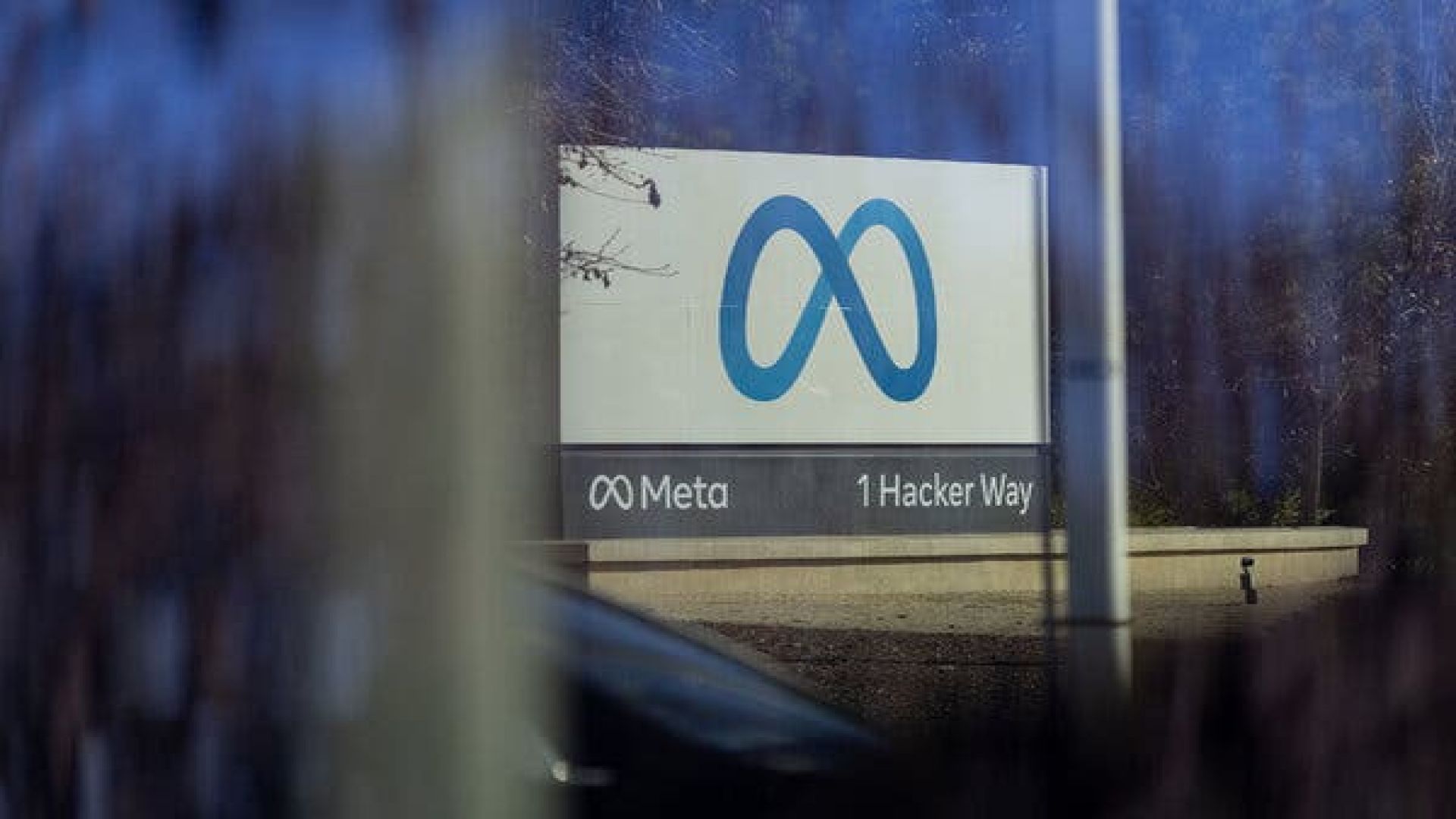
Meta announced on Friday that it will stop allowing political advertisements on its platforms within the European Union countries starting in October. This decision comes in response to new E.U. regulations aimed at increasing transparency in political advertising and preventing foreign interference and misinformation during elections. Under the new law, tech platforms must clearly identify the source of political ads, limit who can be targeted, and prohibit non-E.U. sponsors from advertising in the three months before an election.
Meta stated that it made the “difficult decision” to pull political advertising due to what it described as “unworkable requirements and legal uncertainties.” Despite efforts to communicate its concerns with E.U. policymakers, the company said the regulation leaves it with no feasible alternative. It also criticized the rules for limiting choice and competition by removing popular services from the market.
This move follows a similar decision by Google in November 2024 and reflects ongoing tension between large tech companies and European lawmakers. Meta has previously faced significant penalties in the E.U., including a $230 million antitrust fine and a $1.3 billion data handling penalty. Although paid political ads will no longer be allowed, politicians and users can still post political content organically, just without amplification through advertising.
