
President Trump’s military parade in Washington, commemorating the 250th anniversary of the U.S. Army, was both a spectacle of American power and a flashpoint for political tension. Tanks, bombers, and helicopters rolled past Constitution Avenue as Trump presided over the event, invoking historical battles and swearing in new soldiers. Yet his speech emphasized force over purpose, framing the military as a tool of absolute defeat for America’s enemies.
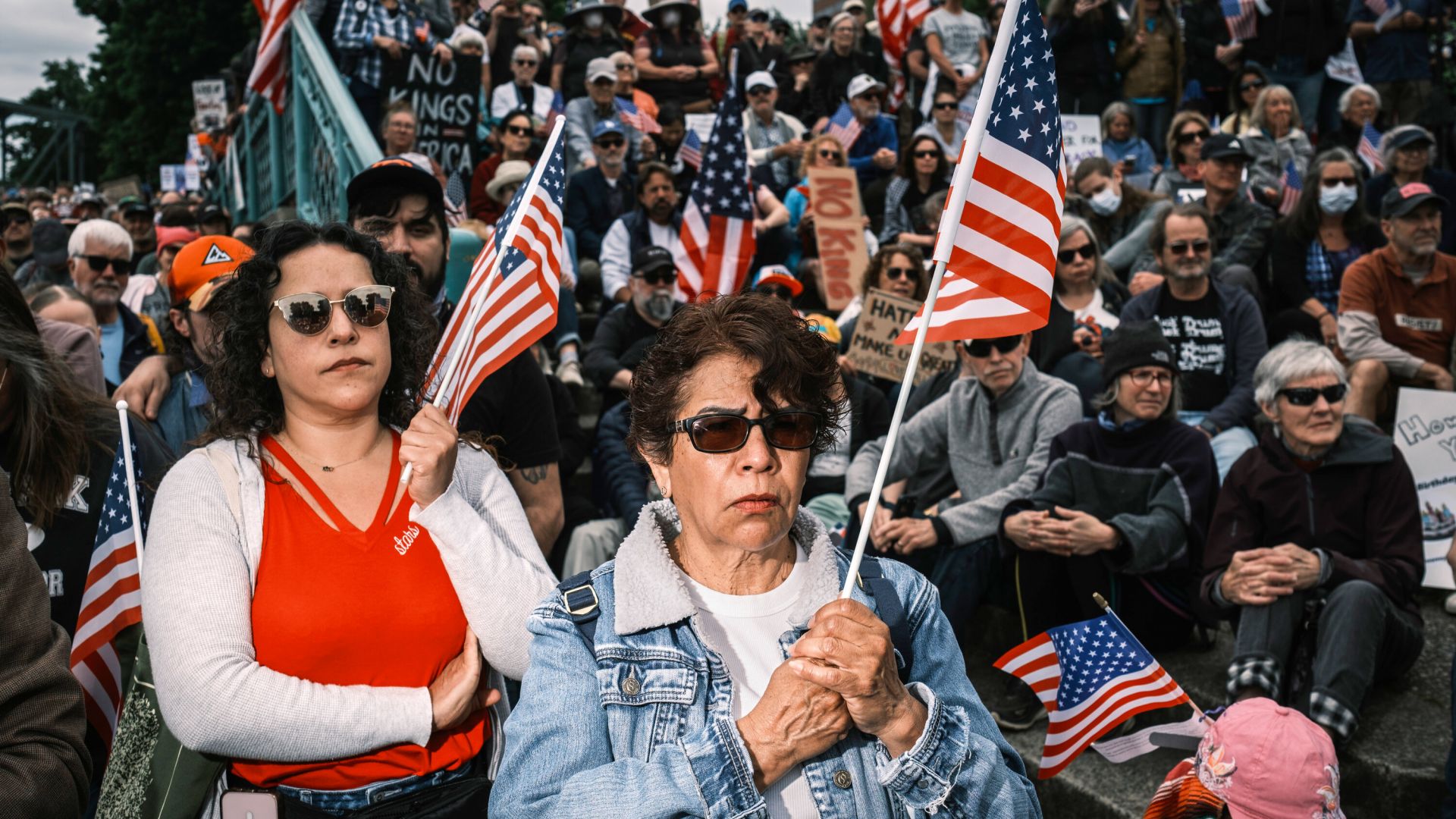
The parade, costing an estimated $45 million, unfolded amid widespread protests. Demonstrators in over 2,000 cities rallied under the slogan “No Kings,” opposing what they view as Trump’s authoritarian use of executive power. His recent decision to federalize the National Guard and deploy Marines to Los Angeles in support of immigration enforcement has intensified concerns about the militarization of domestic policy. Critics argue this undermines constitutional norms and echoes the very fears that led the Continental Congress to hesitate in forming a standing army.
While conservative media framed the parade as a show of strength and deterrence, others saw it as a distraction from pressing issues—global aid, public health, and academic research—all of which have faced cuts under Trump’s administration. The event’s timing, coinciding with Trump’s birthday and a broader push to reshape cultural institutions, added to the perception that the parade served political ends.
Ultimately, the parade highlighted a growing divide: between celebration and protest, between historical reverence and present-day controversy, and between competing visions of what American power should represent.