
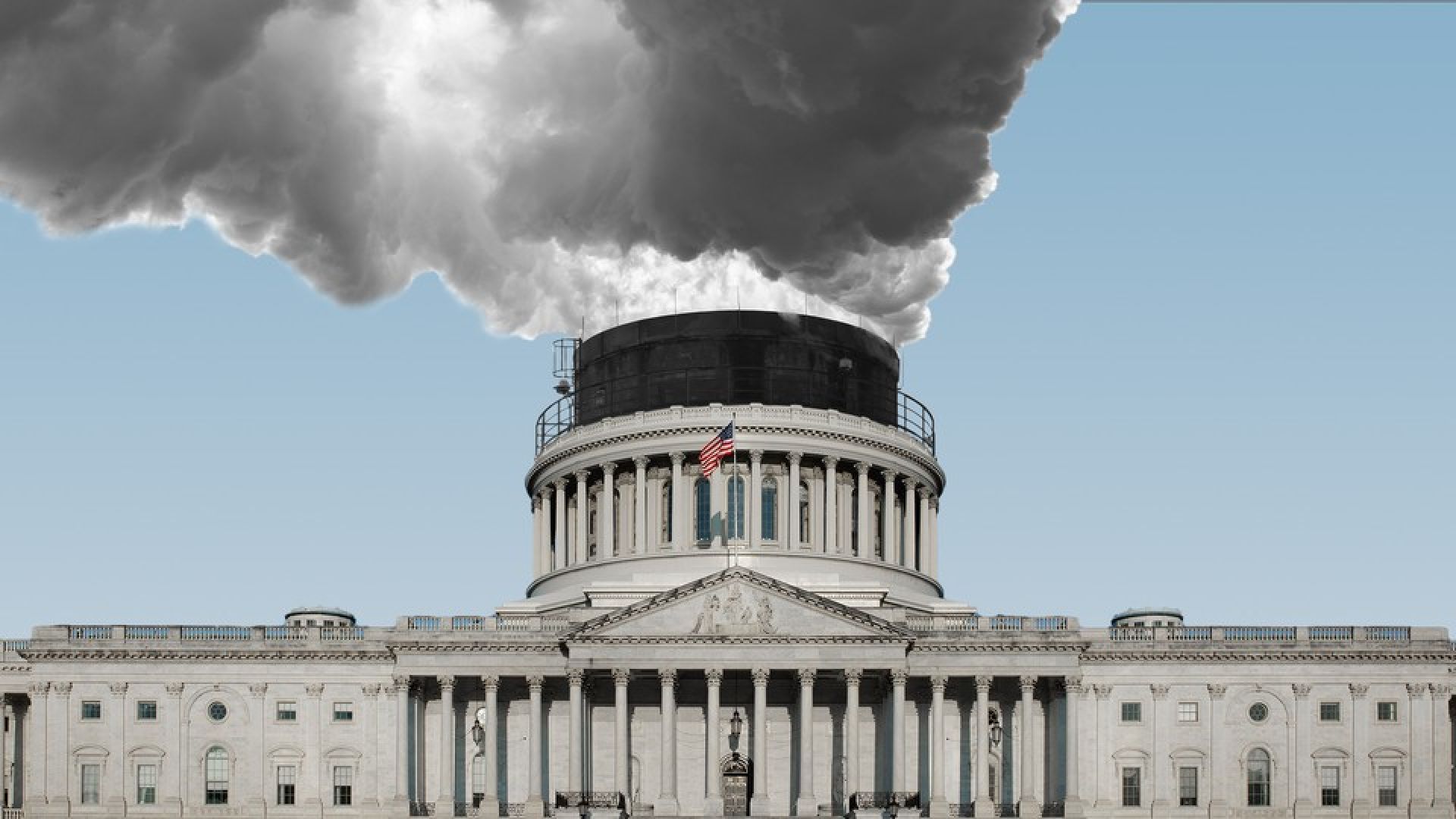
Despite decades of progress, air pollution remains a serious public health issue in the United States—and recent actions by the Trump administration threaten to reverse key environmental protections. Fine particulate matter (PM2.5), a pollutant resulting largely from burning fossil fuels, enters the body through the lungs and can travel into the bloodstream, brain, and even cross the placenta. Its impacts are vast: it contributes to respiratory illnesses, heart disease, strokes, mental health disorders, and cognitive decline. Children are especially vulnerable, with prenatal exposure linked to premature birth, low birth weight, and behavioral problems. Once lung function is lost, it cannot be regained.
Each year, PM2.5 is estimated to cause 100,000–200,000 deaths in the U.S.—more than double the toll from car accidents. Though air quality has improved over the past 25 years, one in three Americans still live in areas with unhealthy air. The Biden administration had implemented stronger particulate standards projected to prevent thousands of premature deaths and asthma cases annually. However, the Trump administration, under EPA Administrator Lee Zeldin, is rolling back these protections, citing prior gains as sufficient. Simultaneously, the administration is dismantling scientific infrastructure: canceling research grants, removing air-quality data, and dissolving EPA divisions studying environmental health impacts. Wildfires, intensified by climate change, further threaten air quality, especially as enforcement resources dwindle. Public health experts warn this regulatory retreat will worsen outcomes, including more heart attacks, strokes, and neurodegenerative diseases.
Compounding the problem is a growing campaign to discredit decades of public health science. Groups like the Heritage Foundation claim air pollution risks are unproven due to the lack of randomized trials, ignoring that such studies would be unethical. This undermines epidemiological research based on large-scale observational data, which has long guided regulatory policy.Ultimately, the rollback of air protections benefits a few at the expense of public well-being. The consequences are deeply personal—especially for families like that of Dr. Alison Lee, who moved to escape urban pollution that was triggering her son’s asthma. As the administration prioritizes economic “prosperity,” experts warn that worsening air quality will cost lives, cognitive function, and long-term national health.
