
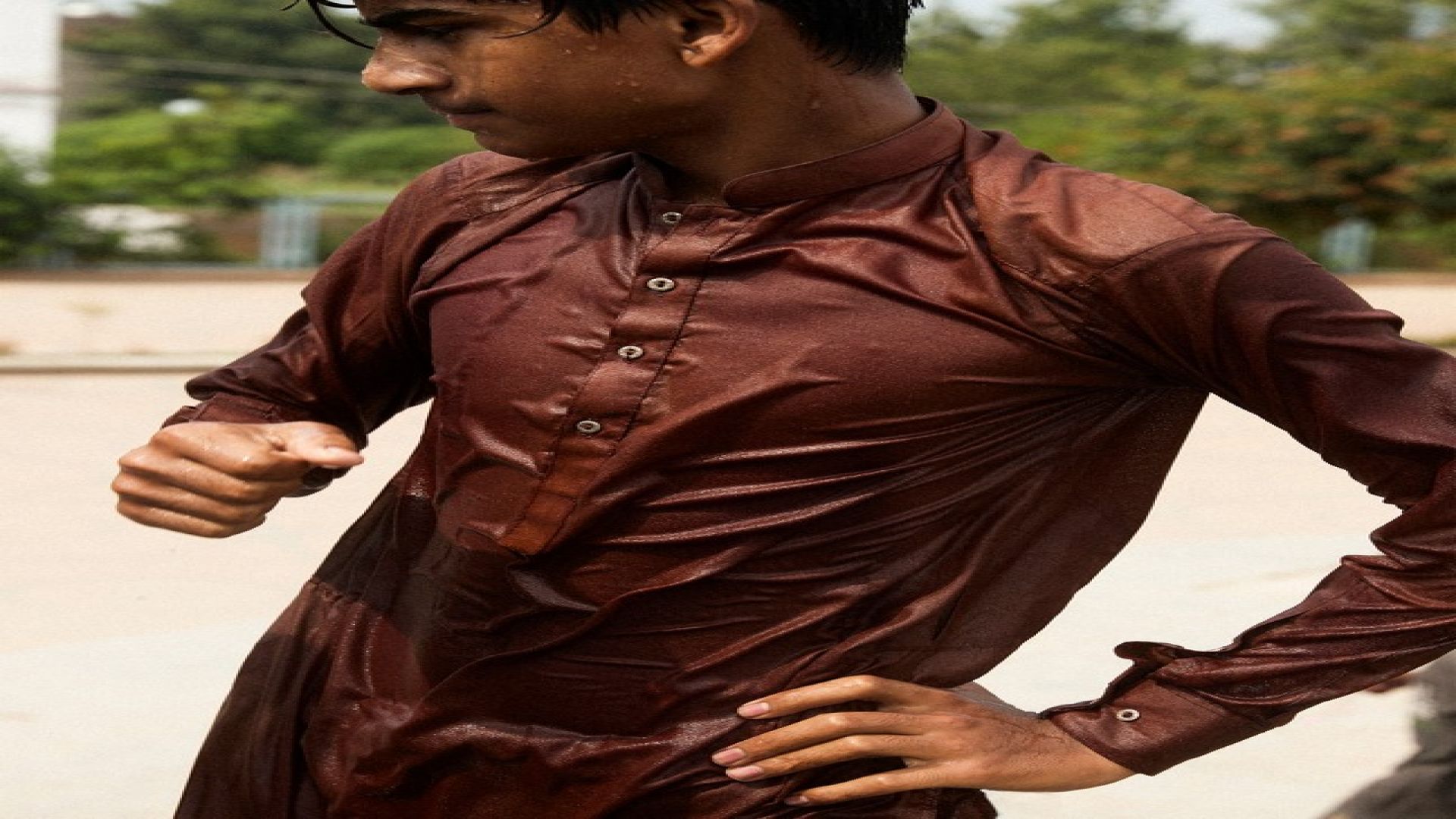
Ross Andersen's article offers a vivid exploration of Lahore, Pakistan, during one of its most intense heatwaves. Lahore, known for its historical significance and cultural vibrancy, is now grappling with the harsh realities of climate change. With temperatures soaring into the 120s and humidity exacerbating the heat, the city's residents, especially the poor, struggle to survive without air conditioning. Andersen visits Mayo Hospital, Lahore's largest medical facility, where he witnesses the dire effects of extreme heat on the local population. The story of Saira Shehzad, a 35-year-old woman from Faisalabad, serves as a poignant example. She is hospitalized after collapsing from heat exhaustion while preparing breakfast in her mother's uncooled home. Her condition deteriorates as her body struggles to cope with the extreme heat.
The head of the emergency department, Dr. Yar Muhammad, describes how the hospital has set up a special intake counter dedicated to patients suffering from heat-related illnesses, highlighting the severity of the situation. Andersen contrasts the plight of Lahore's poor, who are unable to afford air conditioning or escape the city, with the relative comfort of the wealthy, who can shield themselves from the oppressive heat. The article also touches on Lahore's urbanization, which has exacerbated the city's heat problems by replacing green spaces with concrete, raising temperatures further. As Andersen moves through Lahore, he encounters various scenes that underscore the city's struggle with extreme weather—overheated buses packed with passengers, animals succumbing to the heat, and people trying to cool off in polluted canals. The article concludes with a sobering reflection on the future, as Lahore faces worsening conditions due to climate change, with residents like Shehzad left to endure increasingly unbearable summers.
